Choosing the right low fat dog food can make a big difference in your dog’s health, especially if your pet has pancreatitis, a sensitive stomach, or needs help maintaining a healthy weight. Many dog owners do not realize that regular dog foods often contain high levels of fat, which can be difficult for some dogs to digest. A low-fat diet can help reduce stomach problems, support better digestion, and protect your dog’s pancreas from inflammation.
In this guide, you will learn what low-fat dog food really means, which dogs need it, and how to choose the safest options. You will also find trusted products from Amazon and Chewy, including vet-recommended formulas and very low-fat wet foods. Whether your goal is to support a dog recovering from pancreatitis, reduce digestive issues, or manage weight, this article will help you choose the best low-fat food for your dog’s needs.
What Is Low Fat Dog Food?
Low fat dog food is specially formulated to give dogs the nutrition they need while keeping fat levels low to protect their digestive system. These recipes are often recommended for dogs with pancreatitis, sensitive stomachs, high triglycerides, or digestive issues. They use lean proteins, gentle carbohydrates, and easily digestible ingredients to reduce stress on the pancreas and support healthy digestion.
Low fat dog foods are available in dry, wet, and veterinary diets, and they are very different from regular dog foods that usually contain higher fat levels.
How Much Fat Is Considered Low Fat for Dogs?
- Veterinarians classify dog food fat levels like this:
- Low fat: Under 10% fat (dry matter)
- Moderate fat: 10%–15% fat (dry matter)
- Regular fat: 15%–20%+ fat
Most dogs with pancreatitis or chronic stomach sensitivities do best with foods that stay below 10% fat on a dry-matter basis.
Wet foods look higher in fat on the label, but because they contain a lot of water, their “dry matter” fat content is often still low — which is why many vet-approved low-fat diets are canned foods.
Why Some Dogs Need Low Fat Diets
- Dogs are often placed on a low fat diet for one of the following reasons:
- Pancreatitis (most common): The pancreas becomes inflamed and can’t handle fatty foods.
- Sensitive stomach or chronic vomiting: Low-fat formulas are easier to digest.
- Fat intolerance: Some dogs physically can't process high-fat foods.
- High triglycerides or certain metabolic disorders
- Recovery after gastrointestinal surgery or severe diarrhea
A low-fat diet reduces digestive workload, helps prevent flare-ups, and supports long-term digestive comfort.
Low Fat Dog Food vs Healthy Weight Dog Food
Although they seem similar, low fat dog food and healthy weight dog food are NOT the same.
Low Fat Dog Food:
- Designed for medical or digestive needs
- Very low fat (often under 10% dry matter)
- Prioritizes gentle digestion and pancreas support
- Often recommended by veterinarians
Healthy Weight Dog Food:
- Designed for weight loss or calorie control
- May still contain moderate fat levels
- Focuses on reducing calories, not medical management
- Not always suitable for dogs with pancreatitis
In short:
Healthy weight formulas help with overweight dogs,
but low fat formulas are specifically for digestive and pancreas health — which is essential for dogs with pancreatitis or sensitive stomachs.
Benefits of Low Fat Dog Food
Low fat dog food offers several important benefits for dogs with digestive problems, pancreatitis, or weight issues. These formulas are designed to reduce stress on the pancreas, support a healthier digestive system, and help dogs feel more comfortable after meals. Whether your dog needs long-term fat control or a temporary diet change, low-fat food can play a major role in improving overall health.
Helps Protect Dogs with Pancreatitis
A low-fat diet is one of the main recommendations for dogs with pancreatitis. High-fat foods can trigger inflammation of the pancreas, causing pain, vomiting, or loss of appetite. Low fat dog food reduces the amount of digestive work the pancreas must do, helping it stay calm and preventing flare-ups. This makes low-fat formulas safer and easier for dogs who struggle to digest fat.
Supports Better Digestion & Gut Health
Dogs with sensitive stomachs often react to rich or fatty foods. Low-fat dog food is easier to digest and helps reduce common issues such as gas, bloating, diarrhea, and soft stools. Many low-fat formulas also include gentle proteins and soluble fibers that support a healthy gut. For dogs recovering from digestive upset, these foods provide a mild and soothing option.
Ideal for Weight Loss & Senior Dogs
Lower fat levels help reduce calories, which is important for dogs who need to lose weight or maintain a healthy body condition. Because fat is the most calorie-dense nutrient, lowering it can help dogs feel satisfied without overeating. Senior dogs, who often have slower digestion and lower activity levels, also benefit from low-fat diets because they put less strain on the digestive system while supporting steady, healthy weight management.
When Should Your Dog Eat Low Fat Dog Food?
Not every dog needs a low-fat diet, but for some dogs it is one of the most important changes you can make to protect their health. Low-fat dog food is designed to reduce the workload on the pancreas, ease digestion, and prevent discomfort after meals. If your dog shows certain signs or has a specific medical history, this type of food may be the safest and most effective option.
Signs Your Dog Needs a Low Fat Diet
Some dogs struggle to tolerate fatty foods, and their bodies respond with clear warning signs. These can include frequent vomiting, soft stools, diarrhea, gas, or loss of appetite after eating. Dogs who gain weight easily or appear tired after meals may also benefit from lower-fat formulas. If your dog shows repeated digestive problems or reacts negatively to rich foods, a low-fat diet can help reduce irritation and make meals more comfortable.
Low Fat Dog Food for Pancreatitis Recovery
Low-fat dog food is essential for dogs recovering from pancreatitis. When the pancreas becomes inflamed, it struggles to process fat, which can lead to severe pain and serious health risks. Feeding your dog a low-fat diet helps the pancreas rest and prevents another flare-up. Vet-recommended formulas with strict fat control are often the safest choice during recovery and for long-term management of chronic pancreatitis.
Low Fat Options for Sensitive Stomachs
Many dogs with sensitive stomachs also respond well to low-fat diets. Lower fat levels make digestion easier and reduce the chance of vomiting, bloating, or loose stools. Sensitive dogs often need simple ingredients, gentle proteins, and minimal fat to keep their gut balanced. Low-fat formulas provide a mild and soothing option that supports steady digestion without overwhelming the digestive system.
How to Choose the Best Low Fat Dog Food
Choosing the right low fat dog food can feel confusing, especially when every brand claims to be healthy or digestive-friendly. The key is to look at the fat percentage, the type of protein used, and how gentle the ingredients are on your dog’s stomach. Dogs with pancreatitis or digestive problems often need a very specific type of formula, while others may only need mild fat reduction for better weight control. If your dog also struggles with food sensitivities or skin reactions, exploring guides like the best dog food for allergies can help you understand ingredient tolerances before switching to a low fat diet. Understanding what to look for ensures you pick a safe and effective formula for your dog’s needs.
Recommended Fat Percentage for Pancreatitis
Dogs with pancreatitis generally need a strict low-fat diet to protect the pancreas from inflammation. Most veterinarians recommend foods that contain under 10% fat (dry matter basis). For chronic or severe cases, formulas between 6% and 8% fat are considered the safest. Even if a label says “healthy weight” or “light,” it may still be too high in fat, so always check the guaranteed analysis.
Best Protein Sources for Low Fat Diets
The best low fat dog food formulas use lean, highly digestible proteins. Options like chicken breast, whitefish, egg, or turkey are gentle on the stomach and naturally low in fat. These proteins help maintain muscle while reducing digestive stress. If your dog is a picky eater or prefers more natural textures, you may also benefit from reading about top air-dried dog foods, which offer simple, clean proteins similar to what low-fat diets use. Avoid proteins like salmon, lamb, or high-fat beef cuts, which may trigger discomfort or pancreatitis flare-ups.
Ingredients to Avoid in High-Fat Dog Foods
When choosing low fat dog food, it’s important to avoid ingredients that add unnecessary fat. Look out for terms like “animal fat,” “chicken fat,” “fish oil,” “beef tallow,” or high-fat meat meals. Foods containing artificial additives, greasy binders, or heavy oils can also be hard on sensitive stomachs. Sticking to simple, clean ingredients helps support steady digestion and reduce the risk of inflammation.
Prescription vs Non-Prescription Low Fat Food
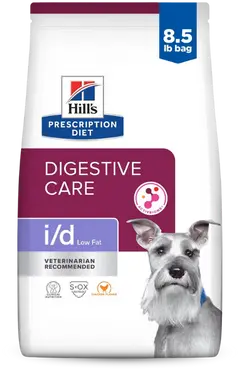
Some dogs need strictly controlled veterinary formulas, while others can safely use non-prescription low-fat diets. Prescription low-fat diets like Hill’s i/d Low Fat or Royal Canin GI Low Fat are made for dogs with severe pancreatitis or chronic GI disease and offer precise fat control. Non-prescription low-fat foods, such as Annamaet Lean or SquarePet VFS Low Fat, work well for mild sensitivity, weight management, or long-term maintenance. Choosing between them depends on your dog’s health history and your veterinarian’s recommendations.
Best Low Fat Dog Food: Top Picks
Finding the right low fat dog food can feel overwhelming, especially when so many brands claim to support digestion or weight control. To help you choose safely, this list includes only true low-fat formulas that meet the nutritional needs of dogs with pancreatitis, sensitive stomachs, or fat intolerance. All products were selected based on fat percentage, ingredient quality, digestibility, and strong customer and veterinary feedback. These options come from trusted brands available on Amazon and Chewy, making them easy to order and compare.
Best Overall Low Fat Dog Food (Dry)

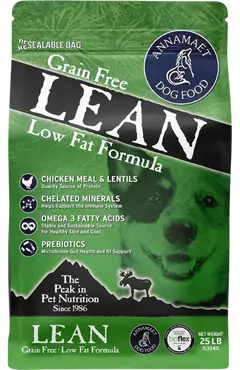
Annamaet Lean is one of the best overall choices for dogs needing a low-fat diet. With only about 9% fat, it provides excellent fat control while using high-quality proteins and digestible carbohydrates. This formula is great for dogs who need support with pancreatitis or weight loss, and it includes added supplements for gut health and joint support. It works well for long-term feeding and is ideal for pet parents looking for a safe, gentle, and natural low-fat option.
Pros
- True low-fat recipe (9%)
- Grain-free, clean ingredients
- Supports weight loss and digestion
- Good for mild to moderate sensitive stomachs
Cons
- Not a prescription formula
- Slightly expensive
Best Low Fat Dog Food for Pancreatitis (Vet-Recommended)

Hill’s i/d Low Fat is a top veterinary choice for dogs with pancreatitis or chronic digestive problems. With about 7.5% fat, it offers strict fat control and includes ingredients designed to soothe the stomach and improve nutrient absorption. This formula is highly digestible, gentle on the gut, and clinically tested for digestive care.
Pros
- Very low fat (ideal for pancreatitis)
- Trusted by veterinarians
- Excellent for chronic vomiting or diarrhea
- Highly digestible
Cons
- Requires vet authorization
- Higher price range
Best Vet-Formulated Low Fat Dog Food (Non-Prescription)

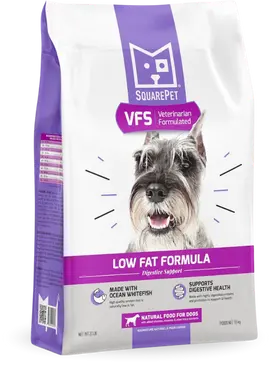
SquarePet VFS Low Fat is a premium non-prescription option created by veterinarians. With 8.5–9% fat, it provides excellent fat control and uses whitefish as the main protein, making it easy on the stomach. This formula is ideal for dogs with long-term digestive needs or those who require a consistent low-fat diet without needing prescription authorization.
Pros
- Vet-formulated and gentle
- Low fat and highly digestible
- Clean and simple ingredients
- Suitable for long-term use
Cons
- Limited flavor options
- Premium price
Best Low Fat Food for Severe GI Sensitivity

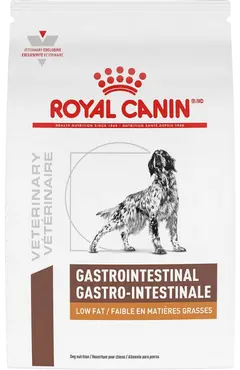
Royal Canin GI Low Fat is designed for dogs with severe or chronic pancreatitis, fat intolerance, or advanced digestive issues. With approximately 7% fat, it is one of the lowest-fat dry foods available. This formula is extremely digestible and made to support dogs who need strict, consistent fat control.
Pros
- Extremely low fat
- Excellent for chronic GI conditions
- Very easy to digest
- Trusted veterinary formula
Cons
- Vet authorization required
- More expensive than regular diets
Best Low Fat Wet Dog Food (Very Low Fat)


Weruva Paw Lickin’ Chicken provides one of the lowest-fat wet food options available, with only about 1.4% fat as-fed. This gentle, shredded chicken formula is excellent for dogs dealing with pancreatitis flare-ups or those recovering from digestive upset. Its clean ingredients and soft texture make it easy to digest and perfect for picky eaters.
Pros
- Ultra-low fat (one of the lowest on the market)
- Great for flare-ups or recovery
- Clean ingredients and high palatability
- Easy to digest
Cons
- Not a complete balanced diet for long-term use
- Works best when paired with a balanced low-fat dry food
Feeding Tips for Dogs on Low Fat Diets
Feeding your dog a low-fat diet requires more than simply choosing the right food. To get the best results, you need to introduce the new diet slowly, follow consistent portion sizes, and avoid treats or table scraps that may be too rich. The goal is to protect the digestive system, support the pancreas, and help your dog feel comfortable and satisfied after every meal. If your dog also struggles with food sensitivities, pairing a low-fat diet with guidance from resources like the best dog food for allergies can help reduce reactions and improve digestion.
How to Transition Your Dog to Low Fat Food
Many dogs have sensitive stomachs, so it’s important to switch to low-fat food gradually. Start by mixing 25% of the new food with 75% of the old food for a few days, then slowly increase the new food over 7–10 days. A slow transition helps prevent stomach upset and gives your dog time to adjust to the milder, easier-to-digest formula. For dogs who prefer softer, gently preserved textures, exploring air-dried dog food options may help make transitions smoother.
Portion Control & Feeding Schedule
Even low-fat food can lead to weight gain if portions are too large. Follow the feeding guide on the package, but adjust based on your dog’s activity level and body condition. It’s better to feed two or three small meals a day instead of one large meal. Smaller portions are easier on the digestive system and help prevent discomfort, bloating, or hunger spikes.
Low-Fat Treats That Are Safe for Pancreatitis
Many common dog treats are high in fat, which can trigger digestive issues or pancreatitis flare-ups. Instead, choose low-fat alternatives such as lean chicken, plain cooked vegetables, or vet-approved low-fat snacks. For dogs that enjoy high-protein rewards, salmon dog treats can offer a tasty option as long as the fat content is low and the ingredients are clean. Avoid giving cheese, fried foods, peanut butter, or biscuits with added oils. Sticking to simple, gentle treats helps keep your dog’s stomach calm and supports the benefits of a low-fat diet.
FAQs About Low Fat Dog Food
Low fat dog food can be confusing for many pet owners, especially when dealing with pancreatitis, digestive problems, or long-term fat intolerance. These simple, clear answers are based on the questions your readers search for most, along with insights that also apply to related dietary needs such as dog food for allergies or limited-ingredient diets.
What Is the Best Low Fat Dog Food for Pancreatitis?
The best low-fat dog foods for pancreatitis are formulas with strict fat control, usually below 10% dry matter, and made specifically for sensitive digestion. Veterinary diets such as Hill’s Prescription i/d Low Fat and Royal Canin GI Low Fat are top choices for dogs with moderate to severe pancreatitis. For mild cases or long-term management, high-quality non-prescription options like Annamaet Lean and SquarePet VFS Low Fat also provide safe fat levels and excellent digestibility.
Can Healthy Weight Dog Food Help Reduce Fat Intake?
Not always. Many healthy weight diets reduce calories, but the fat percentage may still be too high for dogs that truly need low-fat nutrition. Foods labeled “light” or “weight management” can still contain 12–15% fat, which is unsafe for dogs with pancreatitis or digestive issues. If your dog requires simpler, gently processed foods, reviewing air-dried dog food guides may help you understand which formulas offer clean, limited ingredients that also complement low-fat feeding.
How Long Should a Dog Stay on Low Fat Food?
The duration depends on your dog’s condition. Dogs with chronic pancreatitis or severe fat intolerance may need a low-fat diet for life. Dogs recovering from a single flare-up may follow a low-fat diet for several weeks or months until symptoms stabilize. Always consult your veterinarian, especially if your dog has recurring episodes or ongoing digestive sensitivity.
Is Wet or Dry Food Better for Pancreatitis?
Both wet and dry low-fat foods can work well, depending on your dog’s symptoms. Ultra-low-fat wet foods — like Weruva Paw Lickin’ Chicken — are ideal during flare-ups because they are gentle, simple, and easy to digest. Dry foods like Hill’s i/d Low Fat or SquarePet VFS Low Fat offer complete daily nutrition and work better long-term. If your dog needs extra flavor during recovery, you can pair meals with safe, low-fat treats such as certain salmon dog treats, which offer protein without overwhelming fat content.
What Fat Percentage Is Safe for Dogs with GI Issues?
Most veterinarians recommend choosing foods with less than 10% fat (dry matter basis) for dogs with pancreatitis, chronic vomiting, diarrhea, or GI sensitivity. Severe or recurring inflammation often requires stricter formulas between 6% and 8% fat. Dogs with allergies or ingredient sensitivities may also benefit from simpler, limited-ingredient diets, so reviewing resources like the best dog food for allergies can help you identify ingredients your dog may need to avoid.
Conclusion
Choosing the right low fat dog food can make a life-changing difference for dogs with pancreatitis, fat intolerance, or sensitive digestion. By selecting foods with safe fat levels, gentle ingredients, and proven digestive support, you help protect your dog’s pancreas and give them a more comfortable daily routine. Whether you choose a prescription formula or a trusted non-prescription option, the most important thing is finding a food that supports your dog’s long-term health and keeps their stomach calm.
Final Thoughts on Choosing the Best Low Fat Dog Food
Every dog is different, which means the “best” low-fat diet depends on your dog’s medical history, digestion, and tolerance. For severe or chronic pancreatitis, strict low-fat veterinary formulas such as Hill’s i/d Low Fat or Royal Canin GI Low Fat offer excellent protection. For milder cases or long-term maintenance, high-quality non-prescription foods like Annamaet Lean or SquarePet VFS Low Fat provide balanced nutrition with safe fat levels. Wet foods, like Weruva Paw Lickin’ Chicken, are especially helpful during flare-ups or recovery.
The key is to check the fat percentage, keep ingredients simple, and avoid foods that are too rich or heavy. A careful choice today can help prevent future flare-ups and support stable digestion.
When to Talk to Your Veterinarian
If your dog shows ongoing signs of digestive distress—such as vomiting, diarrhea, loss of appetite, or abdominal pain—it’s important to consult your veterinarian before making major diet changes. Dogs with chronic pancreatitis or repeated flare-ups often need professional guidance and may require prescription low-fat diets for long-term management. Your vet can also help confirm the correct fat percentage, check for underlying health issues, and recommend safe portion sizes based on your dog’s needs.