
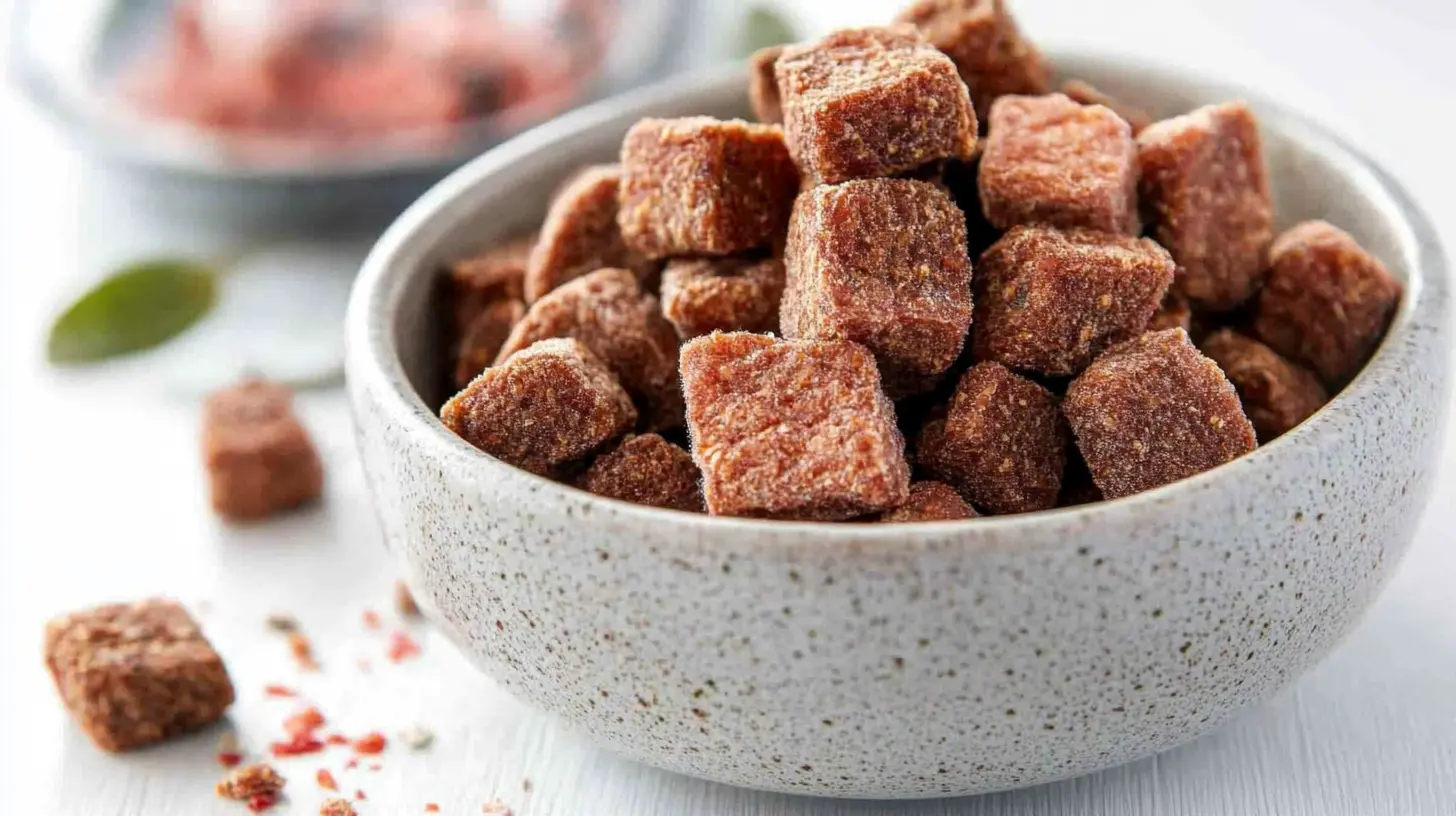
Freeze-dried dog food has quickly become one of the most popular alternatives to traditional kibble—and for good reason. This type of dog food is made by removing moisture from raw ingredients using a gentle freeze-drying process, which helps preserve nutrients, flavor, and natural texture without the need for artificial preservatives. The result is a shelf-stable food that delivers many of the benefits of a raw diet with far more convenience.
More dog owners are choosing freeze-dried raw dog food over kibble because it offers higher protein levels, fewer fillers, and ingredients that are closer to a dog’s natural diet. Unlike heavily processed dry food, freeze-dried raw meals retain much of their original nutritional value, making them easier to digest and more appealing to picky eaters. Many owners also appreciate the flexibility—freeze-dried food can be served as a complete meal or rehydrated for a softer, more “fresh-food” texture.
In this guide, we’ve carefully selected high-quality, complete freeze-dried dog foods that meet AAFCO nutritional standards and are suitable for everyday feeding. Each product included here was chosen based on ingredient quality, nutritional balance, brand reliability, and real-world suitability for different dogs—helping you confidently choose the best freeze-dried dog food for your pet’s needs.
What Is Freeze-Dried Dog Food?
Freeze-dried dog food is a type of minimally processed pet food made by removing moisture from raw ingredients through a low-temperature freeze-drying process. Unlike traditional cooking or extrusion methods used for kibble, freeze-drying preserves the structure and nutritional integrity of the original ingredients. This results in a lightweight, shelf-stable food that closely resembles a raw diet once rehydrated.
Most freeze-dried dog food recipes are made with real meat, organs, bones, and small amounts of fruits and vegetables. Because the ingredients are not exposed to high heat, essential nutrients like amino acids, vitamins, enzymes, and natural flavors are better preserved. For dog owners looking to feed a more natural diet without the inconvenience of frozen storage or raw food handling, freeze-dried food offers a practical middle ground.
How Freeze-Drying Preserves Raw Nutrition
The freeze-drying process works by first freezing the raw ingredients, then slowly removing moisture through a vacuum-based method called sublimation. Because this process avoids high temperatures, it helps maintain the nutritional profile of raw ingredients far better than baking or extrusion.
This is why freeze-dried raw dog food often contains higher-quality protein, intact amino acids, and naturally occurring enzymes that support digestion. The food also retains much of its original aroma and taste, which can make it more appealing to picky eaters. Once water is added, freeze-dried food closely resembles fresh raw food in both texture and palatability—without the safety and storage challenges of frozen raw diets.
Freeze-Dried vs Kibble vs Fresh vs Raw Frozen
Each feeding option has its own advantages, but freeze-dried dog food stands out for its balance of nutrition and convenience.
Kibble is the most common option, but it is highly processed and cooked at high temperatures, which can reduce nutrient availability. It often contains fillers and synthetic additives to compensate for nutrient loss.
Fresh dog food is gently cooked and typically more nutritious than kibble, but it requires refrigeration, has a short shelf life, and can be costly for long-term feeding.
Raw frozen dog food offers excellent nutrition but comes with challenges such as freezer storage, thawing time, and stricter food-safety handling.
Freeze-dried dog food combines many of the benefits of raw feeding with the ease of dry food. It is shelf-stable, easy to store, simple to portion, and nutritionally closer to a raw diet when properly rehydrated. For many dog owners, this makes freeze-dried food one of the most practical premium feeding options available today.
Freeze-Dried Raw Dog Food vs Regular Freeze-Dried Food
Not all freeze-dried dog food is the same. While many products use freeze-drying as a preservation method, there is an important distinction between freeze-dried raw dog food and regular freeze-dried dog food. Understanding this difference helps dog owners choose the option that best matches their dog’s nutritional needs and tolerance.
What “Raw” Means in Freeze-Dried Dog Food
When a product is labeled freeze-dried raw dog food, it means the ingredients were never cooked before freeze-drying. The food is made from raw meat, organs, bones, and other ingredients that are frozen and dried without exposure to high heat. This allows the food to retain much of the nutritional structure of a traditional raw diet.
In contrast, some regular freeze-dried dog foods are made with ingredients that are lightly cooked or pasteurized before being freeze-dried. While these products are still less processed than kibble, they do not offer the same level of raw nutritional integrity. Freeze-dried raw formulas are typically closer to a dog’s ancestral diet and are often higher in natural protein and fat.
Benefits of Freeze-Dried Raw Diets
One of the biggest advantages of freeze-dried raw dog food is nutrient preservation. Because the food is not cooked, key nutrients such as amino acids, natural enzymes, and healthy fats remain more intact. This can support better digestion, healthier skin and coat, and improved overall vitality for many dogs.
Freeze-dried raw diets are also highly palatable. The natural aroma and texture tend to appeal to picky eaters, making them a popular choice for dogs that refuse kibble. Additionally, many raw freeze-dried formulas use limited ingredients and avoid fillers, grains, and artificial additives, which can be helpful for dogs with food sensitivities or allergies.
When Freeze-Dried Raw May Not Be Ideal
While freeze-dried raw dog food offers many benefits, it may not be the best choice for every dog. Some dogs with very sensitive digestive systems may find raw diets too rich, especially if transitioned too quickly. Puppies, senior dogs, or dogs with compromised immune systems may also require extra guidance from a veterinarian before switching to a raw-based diet.
Cost is another consideration. Freeze-dried raw food is typically more expensive than regular freeze-dried or dry dog food, which may make it less practical for large breeds or multi-dog households. In these cases, some owners choose to use freeze-dried raw food as a topper rather than a full-time meal.
Benefits of Freeze-Dry Dog Food
Freeze-dried dog food stands out because it combines premium nutrition with everyday practicality. By preserving raw ingredients through a gentle drying process, freeze-dried food delivers many of the benefits of raw feeding without the common drawbacks. For dog owners looking to improve diet quality without sacrificing convenience, freeze-dried dog food offers a well-balanced solution—especially when compared to options like air-dried dog food or traditional kibble.
High Protein & Digestibility
One of the biggest advantages of freeze-dried dog food is its naturally high protein content. Most freeze-dried raw formulas are made primarily from real meat, organs, and bone—ingredients that align closely with a dog’s biological needs. Because these foods are not cooked at high temperatures, the protein structure remains more intact, making it easier for dogs to digest and absorb nutrients efficiently.
Many dogs experience improved digestion, firmer stools, and better energy levels after switching to freeze-dried raw dog food. This makes it especially appealing for active dogs, working breeds, and picky eaters who may struggle with heavily processed kibble. Dogs with digestive issues may also benefit when transitioning from low-fat dog food for sensitive stomachs, as freeze-dried formulas are often easier to break down.
Convenience & Shelf Stability
Freeze-dried dog food offers the nutritional benefits of raw feeding without the hassle. Unlike frozen raw diets, freeze-dried food does not require freezer space, thawing, or special storage conditions. It is lightweight, shelf-stable, and easy to portion, making it ideal for everyday feeding, travel, or emergency preparedness.
Preparation is simple—many owners choose to rehydrate freeze-dried food with water to improve texture and moisture intake, while others use it dry as a topper. This flexibility makes freeze-dried food a practical alternative to air-dried dog foods, which are convenient but still gently cooked.
Fewer Fillers & Cleaner Ingredients
Another key benefit of freeze-dried dog food is its cleaner ingredient profile. High-quality freeze-dried formulas typically avoid common fillers such as corn, wheat, soy, and artificial preservatives. Instead, they focus on whole-food ingredients like real meat, nutrient-dense organs, and small amounts of fruits and vegetables.
For dogs with food sensitivities or allergies, this simplified ingredient approach can be especially beneficial. Fewer unnecessary additives mean fewer potential triggers, making freeze-dried raw dog food a popular choice for dogs that normally require dog food for allergies or sensitive skin and stomachs.
How to Choose the Best Freeze-Dried Dog Food (Buyer’s Guide)
With so many premium options on the market, choosing the best freeze-dried dog food can feel overwhelming. While most freeze-dried foods appear similar at first glance, differences in protein quality, ingredient sourcing, and overall value can have a real impact on your dog’s health. This buyer’s guide breaks down the most important factors to consider before making a decision—especially if you’re comparing options like air-dried dog food or specialized therapeutic diets.
Protein Sources & Meat Percentage
Protein should be the foundation of any high-quality freeze-dried dog food. The best formulas list real animal protein as the first ingredient, such as beef, chicken, turkey, lamb, or fish, and include nutrient-dense organs like liver and heart. These ingredients provide essential amino acids that support muscle development, energy levels, and overall vitality.
Pay close attention to the meat percentage in the recipe. Many premium freeze-dried raw dog foods contain 85–95% meat, organs, and bone, which closely mirrors a dog’s natural diet. Higher meat content generally means better digestibility and fewer unnecessary fillers. Dogs with allergies or sensitivities may benefit from dog food for allergies, while active dogs often do best with higher-protein blends.
Ingredient Quality & Transparency
Not all freeze-dried dog foods are created equal when it comes to ingredient quality. Look for brands that clearly state where their ingredients come from and how they are processed. Transparent labeling, clear sourcing information, and the absence of artificial preservatives are strong indicators of a trustworthy product.
High-quality freeze-dried raw dog food typically avoids corn, wheat, soy, and by-products. Instead, it uses whole-food ingredients such as responsibly sourced meat, organic fruits and vegetables, and natural supplements. Brands that emphasize ethical sourcing, human-grade standards, or third-party testing often provide an added layer of confidence—especially for dogs that normally require low-fat dog food for sensitive stomachs.
Cost per Meal vs Value
Freeze-dried dog food is undeniably more expensive than traditional kibble, but price alone doesn’t tell the full story. Instead of focusing on the cost of the bag, consider the cost per meal. Because freeze-dried food is highly concentrated and nutrient-dense, dogs often require smaller portions compared to dry food.
A higher-priced product may actually offer better value if it delivers superior nutrition, better digestibility, and fewer health-related issues over time. For some owners, using freeze-dried raw dog food as a partial replacement or topper—similar to how some use air-dried dog foods for health and nutrition—can strike a balance between budget and quality.
Feeding Style (Full Meal vs Topper Use)
Another important consideration is how you plan to use freeze-dried dog food. Some products are designed specifically as complete and balanced meals, making them suitable for daily feeding. These formulas meet AAFCO nutritional standards and can be safely fed as a dog’s primary diet.
Other dog owners choose to use freeze-dried food as a topper to enhance the nutritional value and palatability of kibble. This approach can be especially helpful for picky eaters, dogs transitioning to higher-quality diets, or dogs currently eating dog food for sensitive stomachs. When choosing a product, make sure it clearly states whether it is intended for full-time feeding or supplemental use, and always follow feeding guidelines to ensure proper nutrition.
Best Freeze-Dried Dog Food (Top Picks)
After reviewing ingredient quality, nutritional balance, sourcing standards, and real-world suitability, the following freeze-dried dog foods stand out as the best complete options available today. Each product listed below is a freeze-dried raw meal, not a treat or topper, and meets AAFCO standards for balanced nutrition.
Best Overall Freeze-Dried Dog Food

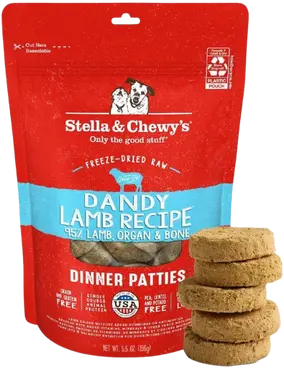
Stella & Chewy’s Freeze-Dried Raw Dinner Patties consistently rank among the most trusted freeze-dried dog foods on the market. These patties are made with real meat as the primary ingredient, along with nutrient-rich organs, bone, and added probiotics to support digestion. The recipes are minimally processed and designed to mirror a dog’s natural ancestral diet.
What makes Stella & Chewy’s stand out is its balance. The formulas deliver high protein without being overly rich, making them suitable for most dogs, including those transitioning from kibble. The patty format is easy to portion, rehydrate, and serve, whether used as a full meal or mixed with other food.
Pros
- High meat content with organs and bone
- Added probiotics for digestive support
- Wide variety of protein options
Cons
- Premium price point
- Strong aroma may not appeal to all owners
Best for: Most dogs, including picky eaters and those new to freeze-dried raw diets.
Best High-Protein Freeze-Dried Dog Food

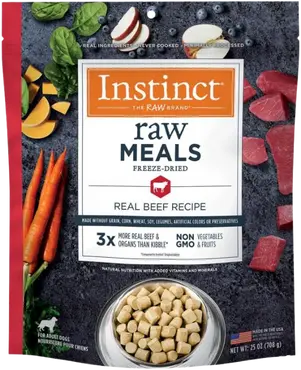
Instinct Freeze-Dried Raw Meals are formulated for dogs that thrive on a high-protein, meat-forward diet. These recipes typically contain 85% or more real meat and organs, making them an excellent choice for active dogs, working breeds, and dogs with higher energy needs.
The texture and flavor of Instinct’s freeze-dried nuggets make them especially appealing to dogs with strong appetites. Because of their richness, proper rehydration is recommended to support digestion and hydration. This food works well as a full meal for healthy, active dogs or as a protein boost for those needing extra calories.
Pros
- Very high protein and meat percentage
- Grain-free, no artificial additives
- Excellent energy support
Cons
- May be too rich for sensitive stomachs
- Requires careful portion control
Best for: Active dogs, working breeds, and dogs needing higher protein intake.
Best Limited-Ingredient / Allergy-Friendly Option

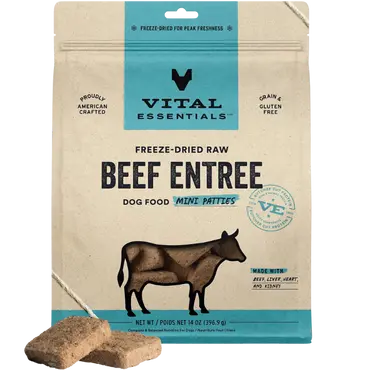
Vital Essentials focuses on simplicity and purity, making this freeze-dried raw food an excellent option for dogs with allergies or food sensitivities. Their patties are made with single-protein recipes that include raw meat, organs, and bone—without fillers, grains, or unnecessary additives.
Because of its limited ingredient profile, this food is commonly used in elimination diets or for dogs that react poorly to complex recipes. While it doesn’t include many fruits or vegetables, it delivers dense, species-appropriate nutrition that supports muscle health and overall vitality.
Pros
- Single-protein recipes ideal for allergies
- Very high nutrient density
- Clean and simple ingredients
Cons
- Limited variety of plant ingredients
- Smaller patties may require more portions
Best for: Dogs with food sensitivities, allergies, or those on elimination diets.
Best Classic Freeze-Dried Raw Formula

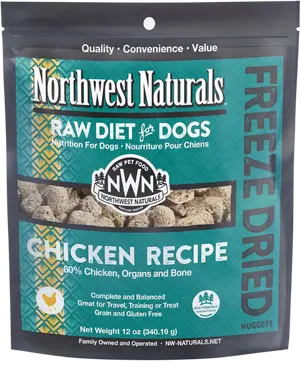
Northwest Naturals is a long-established raw food brand known for its straightforward approach to nutrition. Their freeze-dried raw nuggets are made with traditional raw ingredients, offering a balanced mix of meat, organs, bone, and essential nutrients without unnecessary complexity.
The nugget format makes this food easy to portion and serve, especially for dogs transitioning from kibble to raw-style diets. While the recipes are simpler than some competitors, they provide consistent quality and reliable nutrition for everyday feeding.
Pros
- Simple, traditional raw recipes
- Easy-to-serve nugget format
- Trusted raw-focused brand
Cons
- Fewer recipe variations
- Less emphasis on premium extras
Best for: Dogs transitioning to freeze-dried raw food and owners who prefer simple formulas.
Best Ethical & Human-Grade Freeze-Dried Dog Food

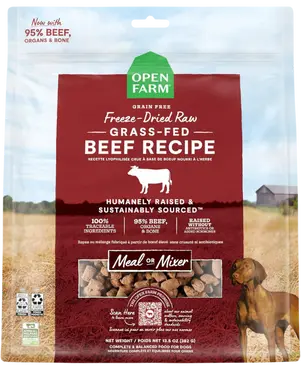
Open Farm Freeze-Dried Raw Dog Food stands out for its commitment to ethical sourcing and transparency. The recipes are made with humanely raised meats, responsibly sourced ingredients, and organic fruits and vegetables, offering both nutritional quality and peace of mind for conscientious pet owners.
While Open Farm is slightly higher in price, it appeals to owners who prioritize sustainability and ingredient traceability. The food is complete and balanced, suitable for daily feeding, and offers a clean, nutrient-rich option for dogs with standard dietary needs.
Pros
- Humanely raised, ethically sourced proteins
- Transparent ingredient sourcing
- Includes organic produce and superfoods
Cons
- Higher price compared to some competitors
- Not ideal for tight budgets
Best for: Owners who value ethical sourcing, sustainability, and human-grade standards.
Freeze-Dried vs Air-Dried vs Raw vs Kibble (Comparison Guide)
With so many dog food options available, it’s natural to wonder how freeze-dried dog food compares to other popular formats. Each type has its own strengths and drawbacks, and the best choice often depends on your dog’s needs, your lifestyle, and your budget. This comparison breaks down the key differences to help you decide which option makes the most sense.
Freeze-Dried vs Air-Dried Dog Food
Freeze-dried and air-dried dog foods are often confused because both are shelf-stable and less processed than traditional kibble. However, the way they are made—and the nutrition they deliver—is quite different.
Freeze-dried dog food is produced at very low temperatures, removing moisture without cooking the ingredients. This process preserves more of the food’s original nutrients, enzymes, and natural flavor. When rehydrated, freeze-dried food closely resembles raw food in texture and nutritional value.
Air-dried dog food, on the other hand, is slowly dehydrated using low heat. While it retains more nutrients than kibble, it is still partially cooked, which can reduce some heat-sensitive nutrients. Air-dried food is often denser and chewier and may contain slightly more carbohydrates depending on the recipe.
- Best choice:
- Choose freeze-dried if you want nutrition closest to raw with maximum nutrient preservation.
- Choose air-dried if you prefer a gently cooked option with a firmer texture and slightly lower cost.
Freeze-Dried vs Raw Frozen
Both freeze-dried and raw frozen dog foods aim to deliver biologically appropriate, meat-based nutrition. The main differences come down to convenience, storage, and handling.
Raw frozen dog food offers excellent nutritional quality but requires freezer space, careful thawing, and strict food-safety practices. For some owners, this can be time-consuming and impractical, especially when traveling or feeding multiple dogs.
Freeze-dried raw dog food provides many of the same benefits—high protein, minimal processing, and natural ingredients—without the logistical challenges. It is shelf-stable, easy to portion, and simple to prepare by adding water. This makes it a popular alternative for owners who want raw-style nutrition without the mess.
- Best choice:
- Choose raw frozen if you are committed to raw feeding and don’t mind the storage and handling.
- Choose freeze-dried raw if you want raw nutrition with far greater convenience and flexibility.
Freeze-Dried vs Kibble
The biggest contrast in dog food quality is often between freeze-dried food and traditional kibble.
Kibble is made using high-heat extrusion, a process that cooks ingredients multiple times. While kibble is affordable and easy to store, this heavy processing can reduce nutrient availability and requires the addition of synthetic vitamins and flavor enhancers. Many kibbles also rely on fillers and carbohydrates that provide calories but limited nutritional value.
Freeze-dried dog food is minimally processed and typically made with a much higher percentage of real meat. It contains fewer fillers, fewer artificial additives, and more naturally occurring nutrients. Although it costs more upfront, freeze-dried food often delivers better digestibility, improved palatability, and higher overall ingredient quality.
- Best choice:
- Choose kibble if budget and convenience are the top priorities.
- Choose freeze-dried if you want a premium diet with higher protein, cleaner ingredients, and better nutrient retention.
Bottom Line
Freeze-dried dog food sits at the intersection of nutrition and convenience. It offers a closer-to-raw diet than air-dried food, far less hassle than raw frozen diets, and significantly higher quality than most kibble. For many dog owners, this balance makes freeze-dried food one of the most practical premium feeding options available.
How to Feed Freeze-Dried Dog Food Safely
Freeze-dried dog food is easy to use, but feeding it correctly is essential to get the full nutritional benefits while avoiding digestive issues. Whether you’re using it as a complete meal or a topper, following proper feeding practices will help keep your dog healthy, hydrated, and comfortable.
Rehydration Tips
Although freeze-dried dog food can technically be fed dry, rehydration is strongly recommended, especially when using it as a full meal. Adding water helps restore moisture, improves digestion, and reduces the risk of dehydration.
- To rehydrate freeze-dried food safely:
- Break patties or nuggets into smaller pieces
- Add warm (not hot) water
- Let the food soak for 2–5 minutes until soft
The texture should resemble fresh or raw food, not dry or crunchy. Rehydration is particularly important for puppies, senior dogs, and dogs with sensitive stomachs. Feeding freeze-dried food dry on a regular basis may increase thirst and could lead to digestive discomfort for some dogs.
Using Freeze-Dried as a Full Meal or Topper
High-quality freeze-dried dog foods labeled as complete and balanced can be fed as a full-time diet. These formulas meet AAFCO nutritional standards and provide all the nutrients your dog needs when fed according to the manufacturer’s guidelines.
Many owners also choose to use freeze-dried food as a topper to improve the taste and nutritional value of kibble. This can be a great option for picky eaters or dogs transitioning to higher-quality food. When using freeze-dried food as a topper, reduce the amount of kibble slightly to avoid overfeeding and excess calories.
Always introduce freeze-dried food gradually, especially if your dog is switching from kibble. A slow transition over 5–7 days helps prevent digestive upset.
Portion Sizes & Storage
Because freeze-dried dog food is highly concentrated, portion sizes are smaller than kibble. Feeding too much can lead to weight gain or stomach upset, so it’s important to follow the feeding chart provided by the brand and adjust based on your dog’s size, activity level, and age.
- For storage:
- Keep freeze-dried food in a cool, dry place
- Reseal bags tightly after opening
- Avoid exposure to moisture or humidity
Once rehydrated, uneaten food should be refrigerated and discarded after 24 hours. Proper storage helps maintain freshness, prevent spoilage, and preserve nutritional quality.
Key Takeaway
Freeze-dried dog food is safe and highly nutritious when fed correctly. Proper rehydration, accurate portioning, and thoughtful use as either a meal or topper ensure your dog gets the benefits of raw-style nutrition without unnecessary risks.
Common Mistakes to Avoid with Freeze-Dried Dog Food
Freeze-dried dog food offers excellent nutrition, but like any premium feeding option, it needs to be used correctly. Many issues dog owners experience come not from the food itself, but from a few common mistakes. Avoiding these pitfalls will help your dog get the full benefits of freeze-dried nutrition without digestive or health problems.
Not Adding Water
One of the most common mistakes is feeding freeze-dried dog food completely dry on a regular basis. While some dogs tolerate dry feeding, freeze-dried food is designed to be rehydrated to restore the moisture removed during processing.
Without added water, dogs may not receive enough hydration from their meals, which can contribute to digestive discomfort or increased thirst. Rehydration also improves texture, aroma, and digestibility—making the food closer to fresh or raw meals. For puppies, senior dogs, and dogs with sensitive stomachs, adding water is especially important.
Best practice: Always rehydrate freeze-dried food when used as a full meal, using warm (not hot) water.
Overfeeding High-Protein Diets
Freeze-dried raw dog food is highly concentrated and often much richer than kibble. Feeding the same volume you would use for dry food can easily lead to overfeeding, excess calories, or digestive upset.
High-protein diets are beneficial, but too much protein or fat—especially when introduced suddenly—can overwhelm a dog’s digestive system. This is more common in smaller dogs or those transitioning from lower-quality diets.
Best practice: Follow the brand’s feeding guide closely, measure portions accurately, and adjust based on your dog’s size, activity level, and body condition.
Confusing Treats with Complete Meals
Another frequent mistake is confusing freeze-dried treats or toppers with complete freeze-dried dog food. While both may look similar, they serve very different purposes.
Freeze-dried treats are usually single-ingredient snacks and are not nutritionally balanced for daily feeding. Feeding treats in place of meals can lead to nutrient deficiencies over time. Only products labeled as “complete and balanced” and meeting AAFCO standards should be used as a dog’s primary diet.
Best practice: Use freeze-dried treats for training or rewards, and reserve freeze-dried meals for proper daily nutrition.
Key Takeaway
Freeze-dried dog food is safe and highly nutritious when used correctly. Rehydrating meals, feeding appropriate portions, and choosing complete formulas—not treats—are simple steps that make a big difference in your dog’s health and long-term well-being.
FAQs About Freeze-Dried Dog Food
What Is the Best Freeze-Dried Dog Food for Dogs?
The best freeze-dried dog food is one that is complete and balanced, made with high-quality animal protein, and suitable for your dog’s specific needs. Look for products that meet AAFCO nutritional standards and clearly state they are intended for daily feeding—not just as treats or toppers.
For most dogs, the best freeze-dried options are raw formulas that include real meat, organs, and bone, with minimal fillers or artificial additives. Dogs with allergies may do better with single-protein recipes, while active dogs often benefit from higher-protein blends. Ultimately, the best choice depends on your dog’s age, size, activity level, and digestive sensitivity.
Is Freeze-Dried Raw Dog Food Safe?
Yes, freeze-dried raw dog food is generally safe when it comes from reputable brands and is fed correctly. The freeze-drying process removes moisture while preserving nutrients, which helps reduce the risk of bacterial growth compared to fresh raw food. Many manufacturers also use additional safety measures, such as pathogen testing or gentle pasteurization methods.
To ensure safety, it’s important to follow proper feeding guidelines, rehydrate the food before serving, and store it in a cool, dry place. Dogs with weakened immune systems, puppies, or senior dogs should transition slowly, and consulting a veterinarian is always recommended if you have specific health concerns.
Can I Mix Freeze-Dried Dog Food with Kibble?
Yes, freeze-dried dog food can be safely mixed with kibble, and many owners use it this way. Mixing freeze-dried food with kibble can improve palatability, increase protein intake, and add nutritional variety—especially for picky eaters.
When mixing, it’s best to rehydrate the freeze-dried portion first and slightly reduce the amount of kibble to avoid overfeeding. Introduce the combination gradually over several days to prevent digestive upset. This approach works well for dogs transitioning from kibble to a higher-quality diet or for owners looking to balance nutrition and budget.
Is Freeze-Dried Dog Food Worth the Cost?
Freeze-dried dog food is more expensive than kibble, but many owners find it worth the investment due to its higher ingredient quality, better digestibility, and improved palatability. Because freeze-dried food is nutrient-dense, dogs often require smaller portions, which can help offset the higher upfront cost.
For some households, feeding freeze-dried food as a topper rather than a full meal provides a good balance between cost and nutrition. Dogs with allergies, sensitive stomachs, or poor appetite often benefit the most, making freeze-dried dog food a valuable long-term option for health-focused pet owners.
Conclusion
Freeze-dried dog food offers a unique balance between premium nutrition and everyday convenience. By preserving raw ingredients through a gentle drying process, it delivers higher protein levels, cleaner ingredients, and better digestibility than many traditional feeding options. For dog owners who want to move beyond heavily processed kibble without the challenges of frozen raw diets, freeze-dried food provides a practical and nutritious solution.
That said, the best freeze-dried dog food isn’t the same for every dog. Factors like age, activity level, allergies, and digestive sensitivity all play an important role in choosing the right formula. Some dogs thrive on high-protein meals, while others do better with limited-ingredient or ethically sourced recipes. Paying attention to how your dog responds—and transitioning slowly—can make a noticeable difference in long-term health and enjoyment at mealtime.
The products highlighted in this guide were carefully selected because they are complete, balanced, and trusted freeze-dried raw meals. Whether you’re looking for an all-around option, an allergy-friendly formula, or a sustainably sourced choice, these top picks offer reliable starting points for upgrading your dog’s diet with confidence.