

Dog allergies can be stressful for both you and your pet. When a dog starts scratching, licking paws, or having stomach problems, the first place to look is often the food bowl. Choosing the best dog food for allergies can make a big difference in your dog’s daily comfort, helping reduce itchy skin, improve digestion, and support a healthier coat.
Many dogs react to common ingredients like chicken, beef, dairy, or wheat without their owners realizing it. Some dogs show signs on the skin, while others have vomiting, diarrhea, or frequent ear infections. The right diet can help calm these reactions and support the immune system, but it’s not always easy to know which food to choose.
In this guide, you will discover the main types of allergy-friendly diets, how to understand your dog’s symptoms, and which ingredients to avoid. You will also find clear recommendations for sensitive skin formulas, sensitive stomach foods, and hypoallergenic veterinary diets, so you can confidently choose a food that keeps your dog happy and healthy.
How to Choose the Best Dog Food for Allergies
Choosing the right food for a dog with allergies can feel confusing, especially when symptoms appear suddenly or seem unrelated. Before changing your dog’s diet, it’s important to understand what type of allergy they might have and how different foods can help. Here’s a simple guide to help you choose the best option with confidence.
Identify Symptoms First
The first step is to look closely at your dog’s symptoms. Food allergies usually show up in two ways: skin problems or digestive issues.
Common signs include itching, paw licking, red skin, hot spots, gas, vomiting, diarrhea, and recurring ear infections.
By matching the symptoms to the right diet, you make it easier to find a food that brings fast relief.
Check for Ingredient Triggers
Many dogs are sensitive to certain proteins, especially chicken, beef, or dairy. Some dogs also react to grains like wheat or corn.
When choosing a new food, read the ingredient list carefully. If your dog has reacted before, avoid that protein completely. Instead, choose a recipe with a gentler option such as salmon, turkey, lamb, or a single-protein formula. This reduces the chance of another flare-up.
Grain-Free vs. Grain-Inclusive
Grain-free diets are popular, but they are not always necessary for allergies.
If your dog reacts to chicken or beef, switching to grain-free won’t help.
However, grain-inclusive diets with ingredients like rice, oats, or barley can be easier to digest for many dogs.
The key is to focus on the protein source first, then choose grains depending on your dog’s history with digestion or skin issues.
Importance of Omega-3s and Gentle Proteins
Dogs with allergies often benefit from diets rich in omega-3 fatty acids, especially from fish like salmon. Omega-3s help reduce inflammation, calm itchy skin, and support a healthy coat. To explore gentle, easy-to-digest options, you can also check our guide on Top Air Dried Dog Foods for Health and Nutrition.
Gentle proteins such as salmon, duck, turkey, and lamb are easier on the stomach and less likely to trigger reactions.
A good allergy-friendly food should clearly list these proteins and include healthy fats that support skin and digestive health.
When to Use Limited Ingredient Dog Food for Allergies
Limited Ingredient Diets (LID) are one of the best ways to help dogs with food allergies feel better quickly. These diets use fewer ingredients and simple recipes to reduce the chance of a reaction. If your dog has constant itching, digestive problems, or reacts to common proteins, an LID formula may be the right choice.
Why Limited Ingredient Diets Help
LID dog foods remove unnecessary fillers and reduce the number of protein and carbohydrate sources.
With fewer ingredients, it becomes easier to identify what your dog can and cannot tolerate.
This is especially helpful for dogs who react to common proteins like chicken, beef, or dairy.
A simpler recipe means less irritation, less inflammation, and better digestion.
Benefits of Single-Protein Recipes
Many LID diets use one single protein source, such as salmon, turkey, lamb, or duck.
This makes them ideal for dogs that react to multiple ingredients.
By limiting the protein to one type, your dog’s immune system has fewer triggers to deal with.
Single-protein diets are also easier on sensitive stomachs and support calmer, more balanced digestion.
When LID Is Better Than Regular Dog Food
- A Limited Ingredient Diet is especially helpful when:
- Your dog shows mixed symptoms (itching + stomach issues)
- You suspect a specific protein allergy
- Your dog reacts to chicken-based foods
- Regular “sensitive stomach” formulas have not helped
- Your vet suggests an elimination diet to identify triggers
If your dog improves after switching to LID food, it’s a strong sign that an allergy was involved. These diets are usually the first step before trying more advanced solutions like hydrolyzed or hypoallergenic veterinary foods.
When Your Dog Needs Hypoallergenic Dog Food
Some dogs have allergies so strong that regular or even Limited Ingredient Diets are not enough. In these cases, a hypoallergenic dog food may be the best and safest option. These specialized diets are designed to avoid triggering the immune system and are often recommended by veterinarians for dogs with severe or persistent symptoms.
What Hydrolyzed Protein Means
Many hypoallergenic diets use hydrolyzed protein, which means the protein has been broken down into very small pieces.
These tiny pieces are so small that your dog’s immune system cannot recognize them as allergens.
Because the immune system does not react, hydrolyzed foods can calm symptoms like itching, redness, ear infections, and digestive problems.
They are ideal for dogs who react to multiple proteins or who have had allergic reactions even to “gentle” ingredients like salmon or turkey.
When to Choose a Veterinary Diet
Long-haired cats need extra care because their fur can tangle easily. A grooming kit for these cats should include stronger tools that reach the undercoat and help prevent painful mats.
- Veterinary hypoallergenic diets are usually prescribed when:
- Your dog does not improve on LID or sensitive-stomach foods
- Your dog reacts to several different proteins
- Your vet suspects a strong immune response
- Your dog has recurring ear infections linked to food
- Your dog has chronic inflammation or long-term itching
These diets are carefully controlled, highly digestible, and designed for dogs who need the most advanced allergy support. They are also used during elimination trials to help identify specific allergens more accurately.
Signs Your Dog Needs Hypoallergenic Food
- Your dog may need a hypoallergenic diet if you notice:
- Constant scratching despite food changes
- Frequent ear infections
- Red, inflamed skin or hot spots
- Chronic vomiting or diarrhea
- Reactions to multiple types of proteins
- No improvement after trying sensitive-skin or sensitive-stomach formulas
If your dog shows several of these symptoms, switching to a hypoallergenic dog food can provide relief and help reset the digestive and immune systems.
Best Dog Food for Sensitive Skin
Dogs with sensitive skin often show signs that something in their diet isn’t agreeing with them. While allergies and sensitivities can look similar, skin-focused symptoms are usually easier to notice. Choosing the right food can help reduce itching, redness, and dryness, and support healthier skin from the inside out.
Signs of Diet-Related Skin Issues
Skin reactions linked to food often appear slowly over time. Common signs include itching, scratching, flaky skin, redness, hair loss, or frequent licking around the paws and belly. Some dogs also develop hot spots or dull, brittle fur.
If these symptoms come and go depending on what your dog eats, it’s a strong sign that diet may be the cause.
Why Omega-Rich Fish Diets Help
Dogs with sensitive skin often respond well to diets rich in omega-3 and omega-6 fatty acids. Foods made with salmon or other fish provide high levels of these healthy fats, which help reduce inflammation and support a smoother, shinier coat.
Omega-3s also help calm redness and irritation, making fish-based recipes a great choice for dogs with dryness or frequent scratching.
When to Choose a Sensitive-Skin Formula
These formulas are designed to nourish the skin barrier, reduce irritation, and support long-term coat health. They are especially helpful for dogs who need extra moisture and nutritional support without switching to a full hypoallergenic or veterinary diet.
Match the Right Food to Your Dog’s Symptoms
Every dog shows allergy symptoms in different ways. Some react on the skin, while others show signs in their stomach or ears. Matching your dog’s symptoms to the right type of food can help you choose a diet that brings relief faster and reduces flare-ups over time. Here’s a simple guide to help you understand what each symptom might mean and which type of food usually helps most.
Itchy Skin & Hot Spots
Itchy skin is one of the most common signs of a food allergy. Dogs may scratch their sides, belly, or neck, or bite at irritated spots. Hot spots—red, moist patches—can also appear when the skin becomes inflamed.
Dogs with these symptoms usually benefit from diets rich in omega-3 fatty acids, especially fish-based formulas made with salmon or other gentle proteins. These foods help reduce inflammation and support a healthier skin barrier.
Paw Licking
Constant paw licking is often linked to protein allergies, especially chicken or beef. The paws become itchy, red, or irritated, causing the dog to lick them repeatedly.
Switching to a different protein source—such as salmon, lamb, turkey, or a single-protein formula—can help reduce irritation and allow the skin to heal. Dogs with paw licking often respond well to sensitive-skin or gentle-protein diets.
Gas, Vomiting & Diarrhea
Digestive issues like gas, loose stools, or vomiting can be signs of a food sensitivity. These symptoms usually mean your dog struggles to digest certain proteins or ingredients.
Food designed for sensitive stomachs uses gentle proteins, easy-to-digest carbohydrates, and added prebiotics to support gut health. These formulas calm the digestive tract and help reduce stomach discomfort.
If your dog needs gentle, easy-to-digest food, you can also explore our guide on Top Air Dried Dog Foods for Health and Nutrition, which are known to be very stomach-friendly.
Ear Infections
Recurring ear infections are a common but often overlooked sign of food allergies. The ears may appear red, itchy, or produce excess wax.
When ear problems are linked to diet, choosing a cleaner, simpler food with gentle proteins or even hypoallergenic formulas can help reduce inflammation inside the ears and lower the risk of infections.
Dry, Flaky Skin
Dogs with dry, flaky skin often need more healthy fats in their diet. A lack of omega-3s can make the skin dry, itchy, or irritated, especially in sensitive dogs.
Fish-based diets or foods enriched with omega-3 and omega-6 fatty acids help moisturize the skin from within and improve coat shine, making them ideal for dogs with consistent dryness or flaking.
For extra skin support, you can also try our recommended Best Salmon Dog Treats 2025, rich in Omega-3s.
Best Dog Foods for Allergies (Top 5 Products)
Finding the right food can make a huge difference in your dog’s comfort, especially if they struggle with itchy skin, stomach issues, or reactions to common ingredients. Below are the best dog foods for allergies, carefully selected for different needs and symptom types. All options are trusted, high-rated, and designed to support sensitive dogs.
Best Overall for Most Dogs


This formula is one of the top choices for dogs with allergies because it supports both skin and digestive health. Made with salmon as the main protein, it offers gentle nutrition that reduces irritation and promotes a stronger skin barrier. It’s ideal for dogs with itching, redness, or frequent stomach upset.
Pros
- Great for itchy skin & stomach issues
- Salmon-based, no chicken protein
- Highly digestible with added prebiotics
- Contains omega-3 for skin & coat
- Trusted by many pet owners and vets
Cons
- Grain-inclusive (not for grain-free owners)
- Price varies by bag size
Best for Sensitive Skin

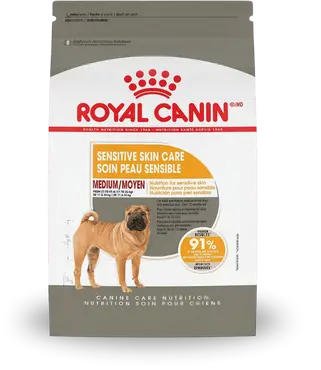
This diet focuses specifically on skin health, making it ideal for dogs with redness, flaking, or irritation. Its nutrient blend supports a healthy coat and reduces skin sensitivity over time. If your dog shows skin reactions but no major stomach problems, this formula is an excellent match.
Pros
- Designed for skin sensitivity
- Improves coat shine & softness
- Helps reduce itching
- Balanced omega-3 and omega-6 blend
Cons
- Premium price
- Not targeted for digestive issues
Best for Sensitive Stomach

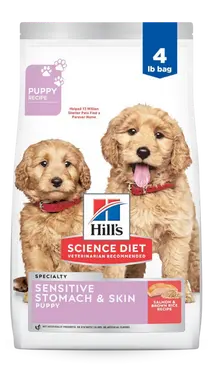
Some dogs react to food mainly through digestive issues like diarrhea, gas, or vomiting. This formula uses gentle ingredients that are easy on the stomach while also supporting skin health. It’s a great choice for dogs who need a balanced recipe that calms both digestion and minor skin irritation.
Pros
- Excellent for gas, vomiting & diarrhea
- Gentle salmon protein
- Supports both stomach & skin health
- Vet-trusted brand
Cons
- Higher price per pound
- Some picky eaters may dislike the flavor
Best Affordable Allergy-Friendly Food

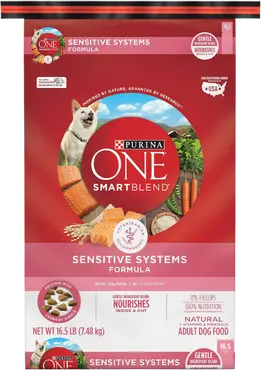
If you want a sensitive-skin formula that fits a lower budget, this is one of the best options available. It provides strong skin and coat support using high-quality protein and omega-rich ingredients. It’s a great everyday food for dogs with mild allergies or dry skin.
Pros
- Budget-friendly option
- Helps with flakes & dryness
- High-protein recipe
- Widely available (Amazon & Chewy)
Cons
- Contains chicken
- Not suitable for severe allergies
Best Hypoallergenic Dog Food

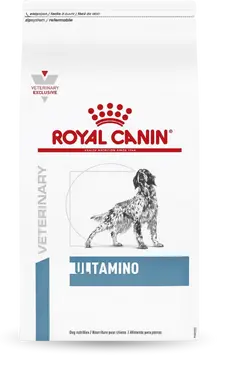
For dogs with strong or multiple food allergies, this advanced veterinary formula is one of the safest choices. It uses hydrolyzed protein, which is broken into extremely small particles that the body is less likely to react to. It’s ideal for dogs with chronic itching, recurring ear infections, or reactions to many protein sources.
Pros
- Hydrolyzed protein reduces reactions
- Best for severe food allergies
- Helps with chronic itching & ear issues
- Highly digestible
Cons
- Prescription required
- Expensive compared to regular foods
Limited Ingredient vs. Hypoallergenic Dog Food
Choosing the right type of allergy-friendly food depends on your dog’s symptoms and how their body reacts to different ingredients. Limited Ingredient Diets (LID) and hypoallergenic foods both help dogs with allergies, but they work in different ways. Understanding the difference can make it easier to choose the option that brings the fastest and most reliable relief.
Which Type Is Better for Mild Allergies?
Limited Ingredient Diets are usually the best first choice for dogs with mild to moderate allergies. These formulas use fewer ingredients and often rely on a single protein source, making it easier to avoid common triggers. If your dog reacts to chicken, beef, dairy, or grains, switching to a simpler recipe can quickly reduce itching, redness, and stomach issues.
Dogs with occasional flare-ups, mixed symptoms, or new food sensitivities often improve on LID foods without needing stronger options.
Which Type Works for Severe Reactions?
Hypoallergenic diets, especially those made with hydrolyzed protein, are designed for dogs with severe or persistent allergies. These foods break down the protein into tiny pieces so the immune system does not recognize it as a threat.
- They are often recommended when:
- Your dog reacts to several protein types
- LID or sensitive-stomach formulas did not work
- Your dog has recurring ear infections
- Symptoms return quickly after food changes
For dogs with intense skin inflammation, chronic itching, or frequent stomach upsets, hypoallergenic food is usually more effective than LID diets.
Price & Diet Comparison: What to Expect
Limited Ingredient Diets are usually more affordable and easier to find in regular pet stores. They offer a natural way to eliminate common triggers and work well for most dogs with mild to moderate allergies.
Hypoallergenic diets, on the other hand, are often more expensive and may require a prescription. They are more specialized and designed for complex cases where simpler diets don’t help.
In summary, start with an LID formula for mild symptoms and consider hypoallergenic food if your dog needs deeper, long-term relief.
How to Safely Switch Your Dog to a New Food
Changing your dog’s food too quickly can cause stomach upset, even if the new formula is better for allergies. A slow, gentle transition helps your dog adjust and reduces the chances of vomiting, diarrhea, or gas. Follow this simple plan to switch your dog to an allergy-friendly diet safely.
7-Day Transition Plan
Switching food gradually gives your dog’s digestive system time to adapt. Use this easy schedule:
Day 1–2:
- 75% old food
- 25% new food
Day 3–4:
- 50% old food
- 50% new food
Day 5–6:
- 25% old food
- 75% new food
Day 7:
- 100% new food
If your dog has a very sensitive stomach, extend each step by 1–2 extra days before moving on.
Signs the New Food Is Working
- A good allergy-friendly diet should start showing positive changes after a couple of weeks. Look for:
- Less itching or paw licking
- Better stool quality
- Reduced gas or stomach sounds
- Shinier, softer coat
- Less redness on the skin or belly
- Fewer ear problems
If your dog needs even gentler options during the transition, you can explore our guide on Top Air Dried Dog Foods for Health and Nutrition, which are often easier to digest.
These are strong signs that the new food is helping your dog feel better.
When to Call Your Veterinarian
- Contact your vet if you notice:
- Vomiting or diarrhea lasting more than 48 hours
- Severe itching or open skin wounds
- No improvement after 6–8 weeks
- Your dog refuses to eat the new food
Some dogs need extra support or a more advanced hypoallergenic diet, especially if allergies are severe or long-term.
FAQs About Dog Food Allergies
Can dogs have food allergies?
Yes, dogs can have food allergies just like humans. These reactions happen when the immune system overreacts to a specific ingredient—usually a protein such as chicken, beef, dairy, or eggs. Symptoms often include itching, paw licking, ear infections, vomiting, or diarrhea. If these signs come back again and again, food may be the cause.
What is the best way to treat canine food allergies?
The most effective treatment is removing the ingredient causing the reaction. This usually means switching to a gentle, allergy-friendly diet such as a sensitive-skin formula, a single-protein recipe, or a hypoallergenic veterinary food. Unlike medications, the right diet treats the root cause and helps reduce long-term inflammation.
What ingredients should I avoid if my dog has allergies?
The most common triggers are chicken, beef, dairy, soy, wheat, and sometimes eggs. Many dogs also react to artificial colors or low-quality fillers. If your dog has had flare-ups in the past, choose foods with limited ingredients and avoid proteins your dog has reacted to before.
How do I know if my dog’s itching is caused by food?
Food allergies usually cause itching that does not change with the seasons. Dogs may scratch their belly, paws, or ears all year round. Digestive problems such as gas or loose stools often appear at the same time. If symptoms improve after changing food, it’s a strong sign the reaction was diet-related.
What is the best dog food for dogs with allergies?
There is no single best food for every dog, but the top choices often include sensitive-skin formulas, sensitive-stomach recipes, and hydrolyzed veterinary diets. Foods made with salmon or other gentle proteins tend to work well for itching, while digestive symptoms improve with highly digestible formulas.
How long does it take for a dog to improve after switching food?
Most dogs show small improvements within 2–4 weeks, especially in digestion and coat condition. Skin allergies may take 6–8 weeks to fully calm down because the body needs time to remove old allergens and repair inflammation. Patience is important—consistent feeding brings the best results.
Can grain-free food help with allergies?
Grain-free diets are helpful only if your dog is specifically sensitive to grains like wheat or corn. Most food allergies come from proteins, not grains. If your dog reacts mainly to chicken or beef, switching to grain-free food will not solve the problem. Focus on protein first, grain type second.
When should I see a vet about my dog’s allergies?
- See your veterinarian if your dog has:
- Severe itching or open skin wounds
- Frequent ear infections
- Chronic vomiting or diarrhea
- No improvement after 6–8 weeks on a new food
A vet may recommend an elimination diet or a prescription hypoallergenic food for stronger support.
ConcluFinal Thoughts: Choosing the Best Dog Food for Allergiession
Finding the right food for a dog with allergies can take time, but the results are worth it. A diet that matches your dog’s symptoms—whether skin irritation, stomach problems, or recurring ear issues—can bring fast relief and help your dog feel healthier and more comfortable every day.
The key is to choose food based on your dog’s specific reactions, not just general labels. Sensitive-skin formulas can help with itching and dryness, sensitive-stomach recipes support digestion, and hypoallergenic diets offer strong support for dogs with more serious or long-term allergies. With the right food, most dogs show real improvement within a few weeks.
By paying attention to ingredients, avoiding triggers, and choosing a high-quality formula that fits your dog’s needs, you give your pet the best chance to recover naturally and enjoy a happier, healthier life. If symptoms continue or get worse, your veterinarian can guide you toward more advanced options like hydrolyzed or prescription diets.
Your dog’s comfort starts in the bowl—choose wisely, go slowly, and watch for positive changes as your dog begins to thrive.