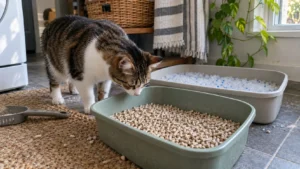
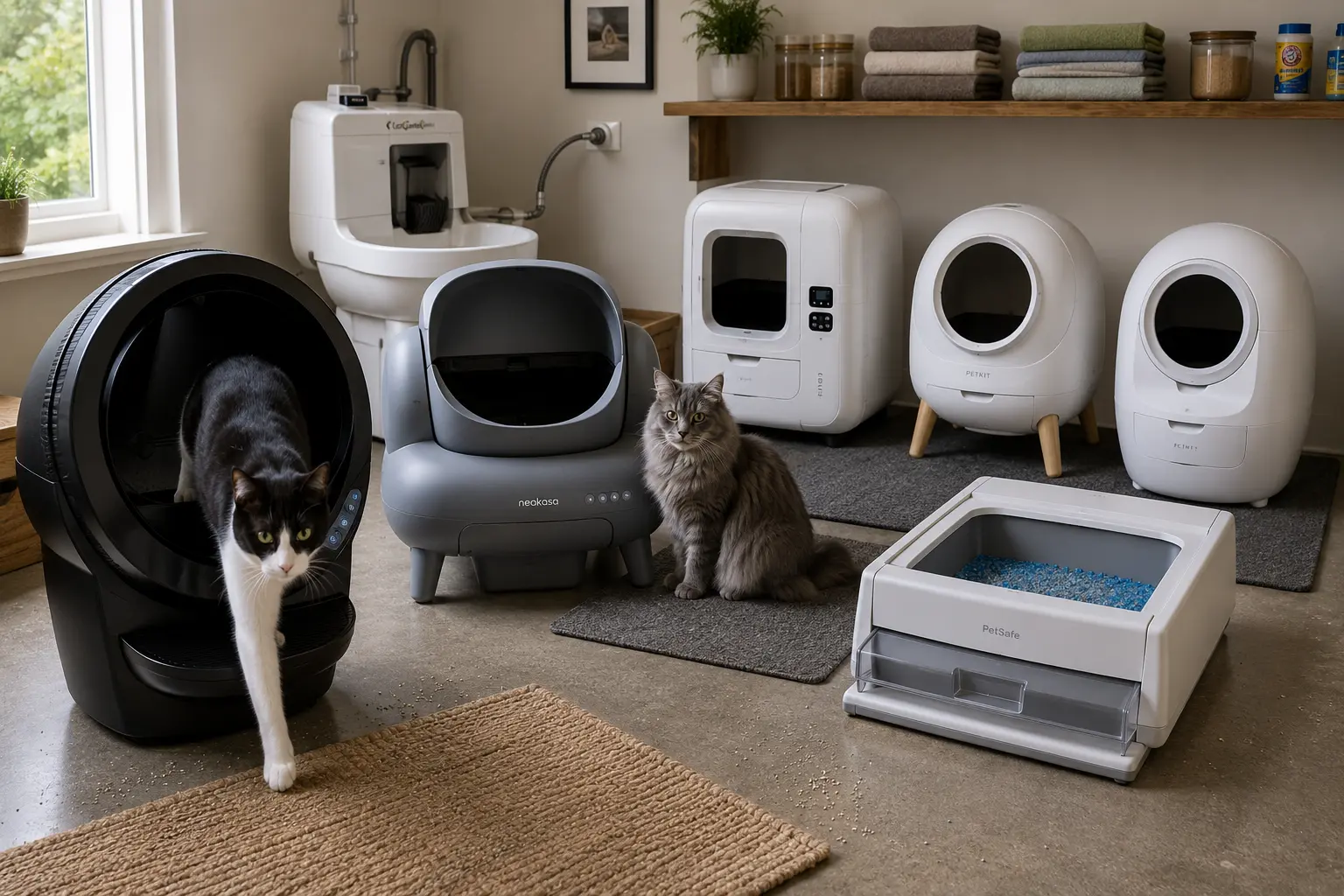
An automatic self cleaning kitty litter box can reduce daily scooping, but it will not remove every litter-box chore. Waste drawers still need emptying, sensors collect dust, clumps sometimes stick, and every machine eventually needs a proper wash.
The right choice also depends on the cat. A roomy open-top box may suit a large cat that refuses enclosed spaces, while a sealed rotating globe may offer better odor control. Crystal-rake systems cost less upfront, and self-flushing machines eliminate waste drawers but require plumbing.
We compared the strongest options by cleaning system, usable cat space, entry height, litter compatibility, odor control, maintenance, recurring costs, warranty, and repeated customer complaints.
Affiliate disclosure: LumaPaw may earn a commission when you purchase through links on this page, at no additional cost to you. Our recommendations are based on product information, retailer listings, and customer-feedback patterns—not personal testing.
Quick Picks
Litter-Robot 4 — Best Overall
A mature rotating-globe system with strong odor containment, useful app tracking, broad clumping-litter compatibility, and better replacement-part support than most competitors.
Best for: One to four cats and owners prioritizing established performance
Main limitation: High price and a large footprint
Neakasa M1 Plus — Best Open-Top Option for Large Cats
Its permanently open chamber gives large, long-bodied, and enclosure-sensitive cats more room than most enclosed robots.
Best for: Healthy large cats that dislike covered boxes
Main limitation: High entrance and increased litter scatter
PETKIT Purobot Max Pro 2 — Best Smart Monitoring
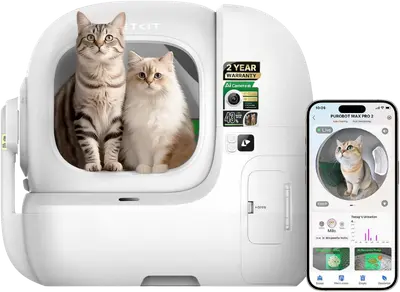
A camera-equipped smart litter box that records visits, session duration, weight, and waste images for multiple cats.
Best for: Owners who want detailed app records
Main limitation: Imperfect cat identification and a relatively confined drum
PetSafe ScoopFree Crystal Classic — Best Budget Crystal-Litter System
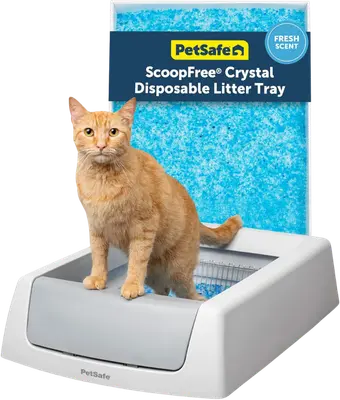
A simple horizontal rake box with a far lower purchase price than premium rotating machines.
Best for: One small or average-size cat already comfortable with crystal litter
Main limitation: Replacement trays can make long-term ownership expensive
CatGenie A.I. — Best Fully Self-Flushing System
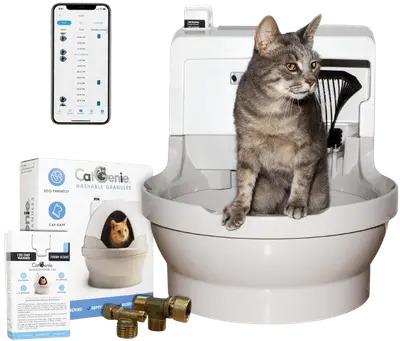
The only selection that liquefies waste, sends it through a drain, washes the granules, and dries the bowl.
Best for: Plumbing-ready homes that do not want an indoor waste drawer
Main limitation: Long cleaning cycles and required proprietary supplies
How We Researched These Automatic Litter Boxes
LumaPaw did not personally test these products. We researched them using:
- Official specifications and manuals
- Approved and prohibited litter types
- Cat-size and kitten guidance
- Safety systems
- Waste capacity and odor-control design
- Warranty and return information
- Replacement parts and consumables
- Amazon and Chewy availability
- Professional evaluations
- Repeated long-term customer complaints
Manufacturer performance statements were treated as claims, not guaranteed results. A complaint found in one review was not treated as universal, but problems repeated across retailers were considered meaningful ownership patterns.
How Automatic Litter Boxes Actually Work
Despite searches for “cat self cleaning litter,” the litter itself does not clean. The machine separates, stores, rakes, washes, or flushes the waste.
Enclosed Rotating Globes
The litter chamber rotates after the cat exits. A screen allows clean litter to pass through while clumps fall into a drawer.
These systems usually provide good odor containment, but the cat must be comfortable entering and turning inside a covered drum.
Examples include the Litter-Robot 4 and PETKIT Purobot Max Pro 2.
Open-Top Rotating Systems
These sift clumps through rotation but keep the top open. The design gives cats more visibility and usable upper-body space.
The trade-off is usually more litter tracking and less containment of fresh waste before the cycle starts.
The Neakasa M1 Plus is the open-top pick in this guide.
Crystal-Litter Rake Systems
A horizontal rake pushes solid waste beneath a covered compartment. Non-clumping crystals absorb urine instead of forming removable urine clumps.
These boxes are usually less expensive to buy but may require disposable trays or specific crystal litter.
Self-Flushing Systems
A self-flushing box collects solid waste, liquefies it, and sends it through household drainage. The machine then washes and dries its reusable granules.
This removes the need for a waste drawer, but it introduces plumbing, water, cartridges, and longer cleaning cycles.
The term “smart box litter box” is often used loosely, but an app does not determine how well a machine fits a cat or handles waste. The cleaning mechanism matters more than the number of notifications.
The 5 Best Automatic Self Cleaning Kitty Litter Boxes

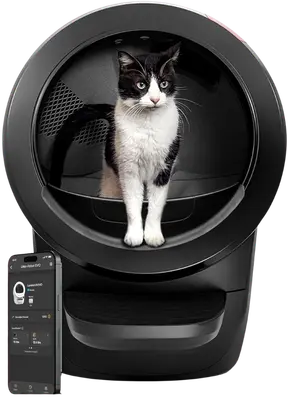
Litter-Robot 4 — Best Overall
Product snapshot
- Cleaning system: Enclosed rotating globe
- Cat guidance: Approximately 3–25 pounds in automatic mode
- Household size: Officially up to four cats
- Best litter: Firm-clumping, standard-weight clay
- Included warranty: One year
Best for: Owners prioritizing overall performance, support, and odor control
Avoid if: Your cat refuses enclosed boxes or you need a low-cost machine
Honest buying note: It does not eliminate maintenance, but it has fewer major compromises than the other products researched.
For a deeper breakdown of ownership costs and drawbacks, read our guide to whether the Litter-Robot is worth it.
The Litter-Robot 4 is the most balanced choice for buyers who want a premium automatic box with an established design and a large body of ownership evidence.
Whisker now also sells the Litter-Robot 5, camera-equipped Litter-Robot 5 Pro, and compact Litter-Robot EVO. We retained the Litter-Robot 4 as our main recommendation because our research found a longer ownership record and a more established body of customer feedback for this model. Buyers who prioritize the newest features or a smaller design should compare Whisker’s current lineup before deciding.
After a cat exits, the globe rotates and sifts clumps into a sealed drawer. The app records visits, weight, litter level, waste level, and machine alerts.
Its main advantage over many cheaper robots is support after purchase. Whisker sells replacement components, maintains the app, and provides more troubleshooting information than unfamiliar marketplace brands.
Customer feedback is strongest around reduced scooping, quiet cycles, odor containment, and straightforward drawer changes. Some one-cat homes report emptying the drawer around once per week, although actual frequency varies.
Common complaints include dust interfering with sensors, inaccurate weight assignment, liner wear, and occasional urine reaching gaps near the front when a cat urinates high or faces inward. It is also physically large and should not be pushed directly against a wall.
Pros
- Proven rotating-sifting design
- Strong odor containment
- Suitable for several cats
- Useful app without requiring a camera
- Standard clumping litter works
- Replacement parts are available
- Spacious opening for an enclosed robot
Cons
- Expensive
- Requires substantial floor space
- Sensors need periodic cleaning
- Only a one-year warranty is included
- Not suitable for pellets or non-clumping litter
- Some owners report liner or front-leakage problems

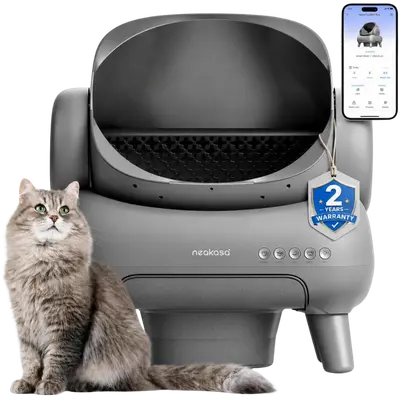
Neakasa M1 Plus — Best Open-Top Option for Large Cats
Product snapshot
- Cleaning system: Open-top rotating sifter
- Cat guidance: Up to approximately 33 pounds
- Household size: Up to three cats in the current listing
- Best litter: Fast-clumping mineral or bentonite litter
- Warranty: Two years in the researched listings
Best for: Healthy large, long-bodied, or enclosure-sensitive cats
Avoid if: Your cat has mobility problems, sprays high, or requires pellet litter
Honest buying note: Its large-cat advantage comes from the open design, not merely the advertised weight limit.
The Neakasa M1 Plus is a stronger fit for cats that feel cramped or trapped inside covered rotating globes.
Its open chamber gives long-bodied cats room to keep their heads and upper bodies unrestricted. Customer reviews frequently mention successful use by larger cats and cats that rejected enclosed robots.
The large waste drawer and lower price than the Litter-Robot 4 make it attractive for multi-cat households. The removable chamber is also easier to access during cleaning than many enclosed drums.
The open design has disadvantages. Cats can exit in several directions and scatter litter beyond the included mat. Its entrance is also relatively high, so a large but arthritic cat may have more trouble entering than a younger large cat.
Repeated complaints include false full-drawer warnings, litter or waste collecting near the disposal door, door jams, and historical reports of urine leaking into lower areas. The updated M1 Plus includes revised sealing and sensors, but long-term evidence for the newer changes is still developing.
Pros
- More usable freedom for large cats
- Open design may improve cat acceptance
- Large waste capacity
- Suitable for multi-cat households
- Lower price than several premium robots
- Chamber is accessible for cleaning
- Two-year protection in current listings
Cons
- High entrance
- More litter tracking
- Less enclosed odor control
- Door and false-full complaints recur
- Poor fit for large pellets and non-clumping litter
- Similar-weight cats may be confused in the app

PETKIT Purobot Max Pro 2 — Best Smart Monitoring
Product snapshot
- Cleaning system: Enclosed rotating drum
- Best fit: Small-to-average adult cats
- Waste bin: Eight liters
- Best litter: Compatible clumping clay or suitable tofu blends
- Warranty: Two years
Best for: Multi-cat owners who value video and detailed usage history
Avoid if: Your cat is broad, enclosure-sensitive, or you want a simple non-connected box
Honest buying note: Buy it for visibility and records, not because the app can replace veterinary evaluation.
The PETKIT Purobot Max Pro 2 is the most useful option for owners who want video and individual-cat records rather than basic visit counts.
Its built-in camera can record which cat approached, how long the visit lasted, and what the waste looked like afterward. The app also uses facial and weight information to separate records in a multi-cat home.
These features can help owners notice changes in bathroom routines or show a veterinarian useful observations. They do not diagnose disease, and inaccurate weight or cat identification appears regularly in customer feedback.
The sealed side drawer and dual odor-control system receive generally favorable comments. PETKIT also offers more litter flexibility than crystal-only systems, although the formula must still form firm clumps and match the installed sifter.
The entry is lower and wider than earlier PETKIT designs, but the inside remains relatively compact. Several cats fit only by turning around and keeping their heads near the entrance.
Pros
- Built-in wide-angle camera
- Individual-cat visit records
- Records session duration
- Strong odor containment
- Supports suitable clay and tofu litter
- Two-year warranty
- Works with both 2.4 and 5 GHz Wi-Fi
- Quiet manufacturer-rated operation
Cons
- Expensive
- Interior can feel tight
- AI and weight readings are imperfect
- Camera may be blocked
- Urine-pH monitoring requires PETKIT Urine Monitor Cat Litter
- Bag installation can be awkward
- Deodorizer fragrance may be noticeable

PetSafe ScoopFree Crystal Classic — Best Budget Crystal-Litter System
Product snapshot
- Cleaning system: Horizontal rake
- Best fit: One cat up to approximately 15 pounds
- Litter: PetSafe ScoopFree crystal litter
- Connectivity: None
- Warranty: One year
Best for: One small or average-size cat and a buyer with a limited initial budget
Avoid if: Your cat is large, rejects crystals, or frequently has loose stool
Honest buying note: This is a budget purchase, not necessarily a budget system to operate.
The Crystal Classic offers automatic raking for a fraction of the purchase price of a rotating robot.
Urine is absorbed by non-clumping crystals. After solid waste is deposited, the rake pushes it beneath a covered section at one end of the tray.
The system is quiet, simple to assemble, and requires no app or Wi-Fi. When the crystals become saturated, the disposable tray can be covered and discarded. PetSafe also offers a reusable tray for buyers who prefer to wash the pan and purchase crystals separately.
The low upfront price does not represent the full ownership cost. Replacement trays can become expensive, particularly in a multi-cat household or when the crystals need replacing earlier than the maximum advertised interval.
Firm stool is important. Loose waste can smear across the rake and contaminate a large portion of the tray. Some cats also dislike the texture of crystal litter.
For a broader look at silica options, see our guide to the best crystal cat litter.
Pros
- Very low purchase price
- Quiet rake
- No app or Wi-Fi
- Minimal setup
- Low-dust crystal litter
- Disposable and reusable tray options
- Reduces daily manual scooping
Cons
- Replacement trays are costly
- Small usable litter area
- Officially designed around PetSafe crystals
- Urine remains absorbed in the tray
- Weak performance with loose stool
- Poor long-term value for many multi-cat homes

CatGenie A.I. — Best Fully Self-Flushing System
Product snapshot
- Cleaning system: Scoops, flushes, washes, and dries
- Best household: One or two cats
- Litter: CatGenie Washable Granules only
- Installation: Cold water, drainage, and electricity
- Cleaning cycle: Roughly 30–34 minutes
Best for: One- or two-cat homes with an appropriate bathroom or laundry connection
Avoid if: Your cat has recurring loose stool, rejects hard granules, or you cannot install the hoses
Honest buying note: It provides the most complete waste removal but also has the narrowest suitable audience.
CatGenie is the specialist option for owners who want waste removed through household drainage instead of stored in a drawer.
After collecting solid waste, the machine liquefies it and sends it through a toilet or laundry drain. It then washes the bowl and reusable granules with SaniSolution before drying them with warm air.
The main benefit is obvious: there is no bag of waste sitting in the home. Owners also avoid regular clay or crystal litter changes.
The installation and upkeep are less simple. Washable Granules and SaniSolution are mandatory, and the long cycle can leave the box unavailable to another cat. The granules may track through the room, and some cats never accept their hard texture.
The most serious complaint involves soft or missed stool. If waste remains during the heated drying stage, the resulting odor can spread through the home. Drain clogs, water errors, motor problems, and activation concerns also appear in reviews.
Pros
- Fully self-flushing, washing, and drying system
- No waste drawer or bag changes
- Reusable granules
- Open bowl
- App scheduling and alerts
- Washes and dries automatically
- May reduce long-term conventional litter purchases
Cons
- Requires suitable plumbing
- Long cleaning cycle
- Proprietary granules and cartridges
- Granules can track
- Cat acceptance is unpredictable
- Loose stool can produce severe odor
- Drainage troubleshooting can be unpleasant
- Warranty and retailer-return terms require verification
Other Automatic Litter Boxes We Considered
The PetSafe ScoopFree SmartSpin offers app monitoring and a relatively compact footprint, but recurring complaints about clump smearing, difficult deep cleaning, sensors, and Wi-Fi prevented it from earning a main position.
Casa Leo Leo’s Loo Too is quiet and has a sealed, odor-focused drawer. Its premium price, clumping-clay-only requirement, cramped interior, front power-button concerns, and mixed replacement-part availability weakened its value beside the Litter-Robot and PETKIT.
Whisker’s newer Litter-Robot 5, Litter-Robot 5 Pro, and Litter-Robot EVO were also considered. The Litter-Robot 5 and 5 Pro are newer premium options, while the EVO is designed for buyers who want a more compact machine. We did not give them a main position because their long-term ownership record is still less established than the Litter-Robot 4’s.
Buyers who like the automatic-cleaning concept but do not want a Whisker machine can compare our recommended Litter-Robot alternatives.
How to Choose an Automatic Self Cleaning Kitty Litter Box
Measure the Cat, Not Just the Floor
Check the entrance width, entrance height, interior turning space, and your cat’s normal bathroom posture.
A 20-pound weight limit does not mean every 20-pound cat will fit. A broad, long-bodied cat may need more room than a heavier but compact cat.
Consider Entry Height
Open space does not guarantee easy entry. The Neakasa is roomy once a cat is inside, but its elevated entrance can be difficult for an arthritic senior.
A step or ramp may help, but it increases the machine’s total footprint.
Match the Litter to the Machine
Most rotating sifters perform best with firm-clumping granular litter. Large tofu pellets, wood pellets, and non-clumping formulas may not pass through the screen.
Our guide to the best litter for Litter-Robot and automatic boxes compares compatible clumping formulas in more detail.
PetSafe Crystal Classic uses a tray-and-crystal system, while CatGenie requires its own washable granules.
Crystal and color-changing formulas require extra care. Check our guide to automatic litter boxes that work with PrettyLitter before combining a machine with Original or Clumping PrettyLitter.
Owners considering plant-based formulas can also compare the materials in our guide to the best natural cat litter, but always confirm that the chosen machine officially supports the particle size and clumping style.
Compare Odor Control Honestly
A sealed drawer usually controls stored-waste odor better than an open compartment. Carbon filters and deodorizers can help, but they require replacement.
Crystal litter absorbs urine, while CatGenie removes waste through a drain. Neither approach guarantees an odor-free room.
Fresh waste may smell before a delayed cycle, and odor can escape when a drawer opens or a globe rotates.
Understand the Remaining Maintenance
Self cleaning means less scooping, not zero maintenance.
Expect to:
- Empty or replace a waste container
- Refill litter
- Wipe sensors
- Remove stuck clumps
- Clean the entrance
- Wash the chamber periodically
- Troubleshoot occasional errors
When a machine stops completing its cycle, start with our Litter-Robot not-cycling troubleshooting guide before replacing parts.
Owners of the older model can follow our step-by-step guide to cleaning a Litter-Robot 3 safely.
A machine that is awkward to deep-clean may become more frustrating than a simpler manual box.
Estimate First-Year Cost
Include more than the machine price:
- Waste bags or disposable trays
- Filters and deodorizers
- Proprietary litter or granules
- Cleaning cartridges
- Mats, steps, or ramps
- Extended warranty
- Replacement parts
The PetSafe Crystal Classic is inexpensive to buy but can become costly through replacement trays. CatGenie reduces conventional litter purchases but still requires SaniSolution cartridges and replacement granules.
Litter-Robot owners considering automatic litter refills should also compare the convenience and recurring costs in our LitterHopper review.
Look Beyond the Average Rating
Review scale matters, but ratings alone do not reveal whether a product fits your cat.
Look for patterns involving:
- Sensor failures
- Motor or door problems
- Leaks
- App reliability
- Liner durability
- Replacement-part availability
- Warranty response
- Ownership after the first year
A five-star review after three days does not provide the same reliability evidence as a detailed review after two years.
Automatic Litter Box Safety Checklist
- Follow the manufacturer’s minimum weight or age for automatic mode.
- Use kitten or manual mode when required.
- Place the machine on a stable, level surface.
- Keep sensors clean and unobstructed.
- Leave required clearance around the machine.
- Supervise the first several automatic cycles.
- Keep the old litter box during the transition.
- Do not ignore repeated error messages.
- Retain a backup box when traveling.
- Never assume sensors are incapable of failing.
- Stop automatic cycling if the cat repeatedly interrupts the mechanism.
- Treat weight and usage records as observations, not diagnoses.
Contact a veterinarian when your cat suddenly stops using the litter box, repeatedly strains, visits far more frequently, or shows another meaningful change in bathroom behavior. An app cannot determine the cause.
Helping Your Cat Accept the New Box
Place the automatic box beside the old litter box and leave the machine switched off at first.
Cats that are nervous around movement or noise may need the slower transition described in our guide to getting a cat to use a Litter-Robot.
Add a small amount of used litter to create a familiar scent. Let the cat inspect the box without placing or trapping the cat inside it.
Once the cat has used it consistently, run a manual cycle while the cat watches from a safe distance. Increase automatic use gradually.
Do not remove the old box immediately. Some cats adjust in a day, while others need several weeks.
Frequently Asked Questions
Are automatic self cleaning litter boxes safe?
Established machines use combinations of presence, weight, motion, and resistance sensors. These systems reduce risk but are not infallible. Follow minimum weight guidance, supervise early cycles, keep sensors clean, and use manual mode for kittens when instructed.
What type of litter works in an automatic litter box?
Most rotating sifters need firm-clumping litter with particles small enough to pass through the screen. PetSafe Crystal Classic uses non-clumping crystals, while CatGenie uses proprietary washable granules. Always check the exact manufacturer instructions.
Can you use PrettyLitter in an automatic litter box?
It depends on the machine and PrettyLitter formula. Original PrettyLitter is non-clumping and cannot replace clumping litter in many rotating systems. Read our PrettyLitter compatibility guide before using it.
Which automatic litter box is best for a large cat?
The Neakasa M1 Plus offers the most open usable space in this group. The Litter-Robot 4 is a stronger enclosed alternative for cats within its supported range. Body length and bathroom posture matter more than weight alone.
Is an automatic litter box worth it for one cat?
It can be worthwhile when daily scooping is difficult or consistent cleanliness is a priority. For one cat, however, the time savings may not justify a $500–$700 purchase unless convenience is especially valuable to the household.
How often should the waste drawer be emptied?
The interval depends on the number of cats, drawer size, stool volume, and odor tolerance. One-cat households may get around a week or longer from larger drawers. Multi-cat homes often need changes every few days.
Do smart litter boxes need Wi-Fi?
Many can continue basic cleaning without an active Wi-Fi connection. Wi-Fi is normally required for remote controls, usage history, alerts, firmware updates, and camera features.
Final Verdict
The best automatic self cleaning kitty litter box is the one that fits both the cat and the owner’s maintenance tolerance.
The Litter-Robot 4 is the strongest all-around choice. The Neakasa M1 Plus offers more open space for large or enclosure-sensitive cats, while the PETKIT Purobot Max Pro 2 is better for camera-based monitoring.
Budget shoppers can consider the PetSafe Crystal Classic, but its tray costs matter. CatGenie provides the most complete waste removal, provided the home has suitable plumbing and the cat accepts its granules.