Grooming is an important part of keeping your cat healthy, clean, and comfortable. Even if your cat spends most of the time indoors, regular brushing can help reduce shedding, prevent mats, and keep the coat smooth and shiny. Good cat grooming tools make this job easier for both you and your pet, especially if your cat has long hair or sheds a lot during the year.
Many cat owners don’t know which tools they really need or how often they should groom their cats. In this guide, you will find simple explanations, useful tips, and trusted tools that work for all coat types. Whether you just want to control loose hair at home or build a complete grooming routine, the right tools can make a big difference in your cat’s daily comfort.
What Are Cat Grooming Tools?
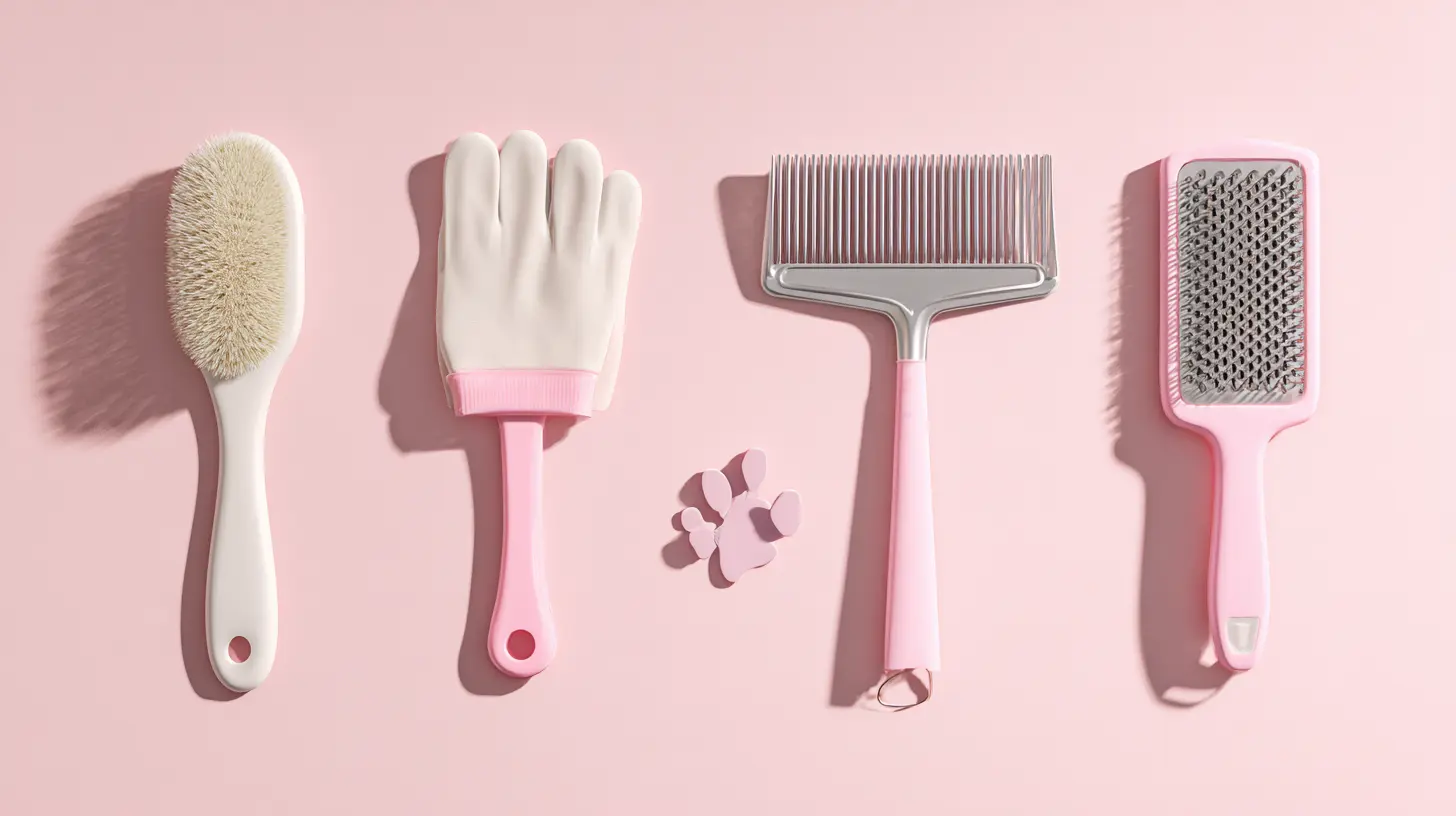
Cat grooming tools are the brushes, combs, and accessories that help keep your cat’s coat clean, soft, and healthy. These tools make it easier to remove loose hair, reduce shedding, prevent painful mats, and keep the skin in good condition. A basic set usually includes a brush, a comb, nail clippers, and sometimes wipes or a deshedding tool for long-haired cats.
Using the right grooming tools is important for every cat, but it becomes even more helpful during shedding seasons or if your cat has a thick or fluffy coat. Long-haired breeds, senior cats, and cats that stay indoors all benefit from regular grooming because it supports healthy skin, reduces hairballs, and keeps the coat looking neat. With the proper tools and a simple routine, grooming becomes a quick, easy way to care for your cat at home.
How Often Should You Groom Your Cat?
How often you groom your cat depends mainly on their coat type and how much they shed. Short-haired cats usually need less grooming, while long-haired cats need more regular care to prevent tangles and mats.
Short-haired cats should be brushed 2–3 times per week. This helps remove loose hair, reduce shedding on furniture, and keep the coat smooth. Even though their fur is short, regular brushing still supports healthy skin and reduces hairballs.
Long-haired cats need more attention because their fur can knot easily. Breeds like Persians, Ragdolls, and Maine Coons should be brushed 4–6 times per week, or even daily during busy shedding seasons. Regular grooming keeps their coat free of mats, protects the skin, and prevents painful tangles from forming.
Cats also shed more during spring and fall. During these times, a quick daily brushing can make a big difference, helping control loose hair and keeping your home cleaner. With the right routine, grooming becomes easier and more enjoyable for both you and your cat. For a calm and cozy place after brushing, you can check our Best Cat Beds for Comfort, Health, and Better Sleep guide.
Types of Cat Grooming Tools
There are many different cat grooming tools, and each one has its own purpose. Some tools help remove loose hair, some prevent mats, and others keep your cat’s skin and coat healthy. Understanding these tools makes it easier to choose the right ones for your cat’s coat type and daily needs.
Cat Grooming Brushes
Cat grooming brushes are the most common tools for daily care. They help remove loose hair, smooth the coat, and reduce shedding. Slicker brushes are good for most cats, while soft bristle brushes work well for kittens or sensitive skin. Regular brushing also helps spread natural oils through the coat, keeping it shiny and healthy.
Deshedding Tools
Deshedding tools are stronger than regular brushes and are made for long-haired or heavy-shedding cats. They reach the undercoat and pull out loose fur before it spreads around your home. These tools are especially helpful during shedding season and can reduce hairballs and mats when used correctly.
Combs for Detangling
Detangling combs are used to remove knots and small mats from the fur. Metal combs with long teeth can reach deep into thick coats, while dematting combs help break apart tough tangles gently. These tools are essential for long-haired cats and breeds with fluffy coats.
Nail Clippers & Grinders
Nail clippers and nail grinders help keep your cat’s claws at a safe length. Trimming the nails regularly prevents accidental scratches and keeps your home furniture safe. Clippers are simple and quick, while grinders smooth the nails and work well for cats who don’t like clipping. For healthy claw care between trims, you can also explore our Best Cat Scratching Posts & Towers guide, which helps your cat file their claws naturally.
Bathing Tools
Most cats do not need frequent baths, but when bathing is necessary, tools like soft scrubbers, bathing gloves, and cat-safe shampoo can make the process easier. These tools help clean the coat gently without irritating the skin.
Grooming Wipes
Grooming wipes are great for quick clean-ups. They can remove dirt, loose hair, and allergens from your cat’s coat without needing water. Wipes are especially useful for senior cats or cats who dislike baths.
Flea & Tick Tools
Flea combs and tick removers help check your cat’s coat for parasites. These tools catch small fleas, remove flea dirt, and safely lift ticks from the skin. Using these tools regularly helps keep your cat healthy and protected.
What Should Be Included in a Cat Grooming Kit?
Starter Grooming Kit Essentials
- Starter kit items include:
- A gentle slicker brush for daily brushing
- A metal comb to remove small knots
- Nail clippers to keep claws short and safe
- Grooming wipes for quick clean-ups
- Optional: soft grooming gloves for nervous or sensitive cats
These basic tools help control shedding, keep the coat clean, and make grooming easy for both you and your pet. For better coat health from the inside, you can also explore our Best Cat Wet Food Cans guide and our Review of Farmina Cat Food.
Grooming Kits for Long-Haired Cats
Long-haired cats need extra care because their fur can tangle easily. A grooming kit for these cats should include stronger tools that reach the undercoat and help prevent painful mats.
- Useful tools for long-haired cats:
- A slicker brush with firm pins
- A metal comb with long teeth
- A deshedding tool for removing loose undercoat
- A dematting comb for stubborn knots
- Grooming gloves to finish the coat gently
These tools help keep the fur smooth, reduce tangles, and prevent mats from forming, especially around the chest, belly, and tail.
Professional Grooming Kits
A professional grooming kit is designed for heavy shedders, fluffy breeds, or owners who want salon-level results at home. These kits often include multiple attachments and offer deeper cleaning.
- Professional kit items may include:
- A slicker brush
- A comb
- A deshedding tool
- A dematting tool
- Nail clippers
- A grooming vacuum attachment to collect loose hair instantly
These kits save time, reduce mess, and offer a complete grooming solution for cats with thick or challenging coats.
Best Cat Grooming Tools (Top Recommended Products)
Choosing the right grooming tools can make brushing easier, faster, and more comfortable for both you and your cat. Below are the top tools trusted by cat owners for everyday brushing, reducing shedding, and keeping the coat healthy. These products work well for different coat types and are safe for both short-haired and long-haired cats.

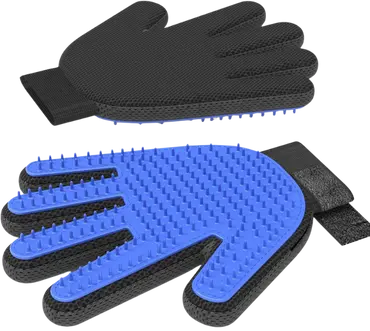
Grooming gloves are a gentle tool for cats that dislike regular brushes. You simply wear the gloves and pet your cat, and the soft rubber tips help lift loose hair from the coat. They are great for kittens, anxious cats, and pets with sensitive skin because they feel natural and calming.
Pros
- Very gentle and comfortable
- Easy to use while petting
- Helps remove loose hair quickly
- Good for sensitive or nervous cats
Cons
- Not strong enough for deep mats
- Works best for light to medium shedding

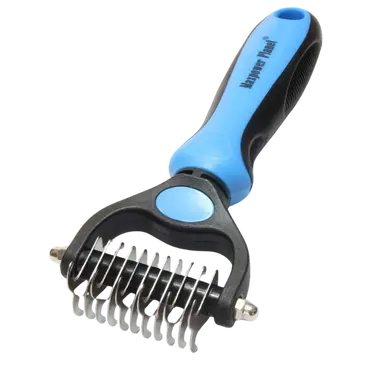
This dual-sided undercoat rake is perfect for long-haired or heavy-shedding cats. One side is designed to remove tough tangles, while the other side helps thin the undercoat and reduce excessive shedding. It is one of the best tools for thick or fluffy coats.
Pros
- Excellent for long hair and thick fur
- Removes undercoat and tangles
- Dual-sided for more control
- Strong and durable design
Cons
- Not ideal for short-haired cats
- Must be used slowly on sensitive skin

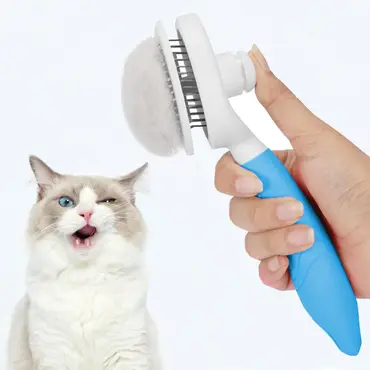
This slicker brush is designed for easy everyday grooming. The fine bristles gently remove loose hair and keep the coat smooth. With one button, the hair lifts off the brush for fast cleaning, making grooming simple and mess-free.
Pros
- Fast self-cleaning button
- Works for most coat types
- Good for daily grooming
- Easy to hold and use
Cons
- Can feel firm on very sensitive cats
- Not meant for deep mats

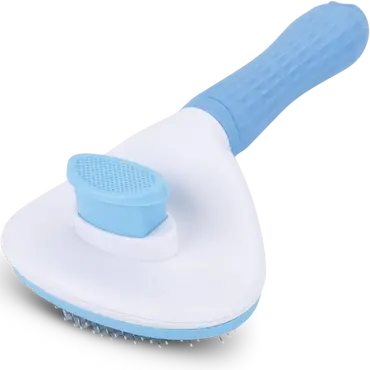
The Depets slicker brush is an affordable option that still offers excellent results. It removes loose fur, reduces shedding, and keeps the coat soft. Its self-cleaning design makes grooming quick and easy, especially for beginners.
Pros
- Affordable and popular
- Easy self-cleaning system
- Works for short and long hair
- Gentle pins for a comfortable brush
Cons
- Fills quickly on heavy-shedding cats
- Build quality is lighter than premium models

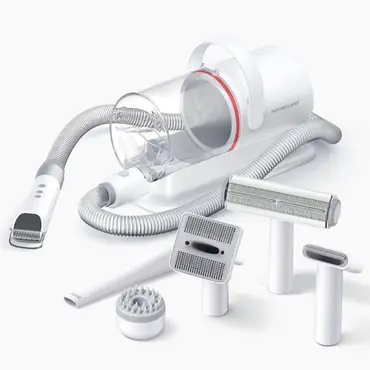
This is a complete grooming system that includes multiple attachments and vacuum suction. It removes loose hair directly into the container, keeping your home clean. It is perfect for long-haired cats, fluffy breeds, and owners who want a salon-level grooming experience at home.
Pros
- Vacuum removes hair instantly
- Includes several grooming tools
- Great for high-shedding breeds
- Saves time and reduces mess
Cons
- Higher price
- Some cats need time to get used to the sound
How to Choose the Right Grooming Tools for Your Cat
Choosing the right cat grooming tools depends on your cat’s coat type, behavior, age, and skin sensitivity. Every cat is different, so it’s important to select tools that match their needs and make grooming comfortable and safe.
Coat Type:
Short-haired cats usually need simple tools like slicker brushes or grooming gloves. Long-haired cats need stronger tools, such as undercoat rakes or deshedding tools, to prevent mats and remove thick undercoat. Fluffy breeds like Persians or Maine Coons benefit from both daily brushing and occasional deep grooming.
Cat Behavior:
If your cat is calm and enjoys brushing, you can use almost any tool. For anxious or sensitive cats, softer tools like grooming gloves or gentle slicker brushes work best. Some cats may need slow introduction to stronger tools, especially if they dislike loud sounds or firm bristles.
Age:
Kittens and senior cats have delicate skin, so soft brushes or grooming gloves are safer choices. Adult cats with thick coats can handle firmer tools and may require more frequent grooming to stay comfortable.
Sensitive Skin:
Cats with dry or sensitive skin need tools that do not scratch or pull. Soft bristle brushes, gentle slickers, or gloves are ideal. Avoid harsh deshedding tools unless necessary, and always groom slowly to prevent irritation.
By understanding your cat’s needs, you can choose the tools that make grooming easier, kinder, and more effective.
Grooming Tips for Better Results
With the right routine and simple techniques, grooming can become a relaxing and positive experience for both you and your cat. These easy tips will help you get better results, reduce shedding, and keep your cat’s coat soft and healthy.
Cats That Hate Grooming
Some cats do not enjoy brushing, especially if they are nervous, sensitive, or not used to grooming. Start slowly and keep each session short. To make your cat more relaxed during grooming, you can reward them with snacks from our Best Healthy Cat Treats guide or use fun items from our Best Catnip Toys & Interactive Cat Toys review. Use gentle tools like grooming gloves or soft slicker brushes, and always reward your cat with calm words or treats. Groom in a quiet place where your cat feels safe, and avoid brushing when your cat is stressed or playful. With patience, most cats become more comfortable over time.
Reduce Shedding
Regular brushing is the best way to control shedding. To keep your home even cleaner, you can also use low-dust litter options from our Tofu Cat Litter guide or easy-to-wash boxes from our Best Stainless Steel Cat Litter Boxes review. Brush your cat a few times per week to remove loose hair before it spreads around your home. Long-haired or heavy-shedding cats may need daily brushing during spring and fall. Tools like undercoat rakes and slicker brushes are very effective for reducing loose fur, while grooming gloves help pick up extra hair on finishing strokes. Consistent grooming not only reduces shed hair but also helps prevent hairballs.
Prevent Mats
Mats form when loose hair tangles and becomes tight against the skin, especially in long-haired cats. To prevent mats, brush your cat often and pay attention to areas where tangles form easily, such as behind the ears, under the legs, around the chest, and under the tail. Use a metal comb or a gentle dematting tool to lift small knots before they grow. Never pull or cut mats forcefully, as this can hurt your cat. Slow, regular grooming keeps the coat smooth and comfortable.
With accurate measurements, the right materials, and dependable locks, you’ll find a cat window door that fits perfectly, functions safely, and keeps your feline comfortable in every season.
FAQs
Below are some of the most common questions cat owners ask about grooming. These simple answers will help you understand which tools to use, how often to groom your cat, and how to keep the process safe and comfortable.
What are the essential cat grooming tools?
Essential cat grooming tools include a slicker brush, a metal comb, grooming gloves, nail clippers, and wipes for quick clean-ups. Long-haired cats may also need an undercoat rake or a deshedding tool to control mats and shedding. These basic tools make regular grooming easy and help keep your cat’s coat healthy.
Which cat grooming brush is best for shedding?
For shedding control, the best cat grooming brush is a self-cleaning slicker brush or an undercoat rake. Slicker brushes remove loose hair from the top layer, while undercoat rakes reach deeper and pull out the thick undercoat. Using both together during shedding season gives the best results and helps reduce hair around your home.
What belongs in a cat grooming kit?
A complete cat grooming kit should include a slicker brush, a metal comb, nail clippers, grooming wipes, and—if you have a long-haired cat—a deshedding or dematting tool. Some advanced kits also include grooming gloves and vacuum attachments to help manage shedding and keep your home clean.
Are grooming tools safe for kittens?
Yes, grooming tools are safe for kittens when used gently and correctly. Soft brushes, bristle brushes, and grooming gloves are best for young cats because they are gentle on the skin. Avoid strong deshedding tools until the kitten is older, and always keep sessions short and calm.
How often should I groom my cat?
Short-haired cats should be groomed 2–3 times per week, while long-haired cats may need brushing 4–6 times per week to prevent tangles and mats. During spring and fall shedding seasons, a quick daily brushing can help manage loose hair and reduce hairballs.
Conclusion
Regular grooming is one of the simplest ways to keep your cat healthy, comfortable, and happy. With the right cat grooming tools, you can easily reduce shedding, prevent mats, and support better skin and coat health. Whether you use gentle grooming gloves, a slicker brush for daily care, or an undercoat rake for long-haired breeds, each tool plays an important role in your cat’s routine.
By choosing tools that match your cat’s coat type and behavior, grooming becomes a calm and positive experience for both of you. A few minutes of care each week can make a big difference in your cat’s comfort and overall well-being. With the tips and tools in this guide, you are ready to create an easy and effective grooming routine at home. To improve your cat’s comfort even more, explore our Best Cat Tree for Large Cats guide and our review of the Best Cat Doors for Windows.